




Introduction
Climate change is first and foremost a profound revealer of inequalities and failures in social protection systems. It disproportionately impacts communities that lack resources and protection and often depend on ecosystem products and services,1Otto Thomasz, E., Agriculture in Extremadura is highly dependent on ecosystem services. The agricultural strategy developed in Extremadura, A. (2024) Valuing ecosystem services in agricultural production in southwest Spain, Ecosystem Services. Available at: https://www.sciencedirect.com/science/article/pii/S2212041624000433?via%3Dihub such as rainwater, groundwater, natural pollination, and other tangible and intangible benefits, all of which are increasingly jeopardized by climate change.
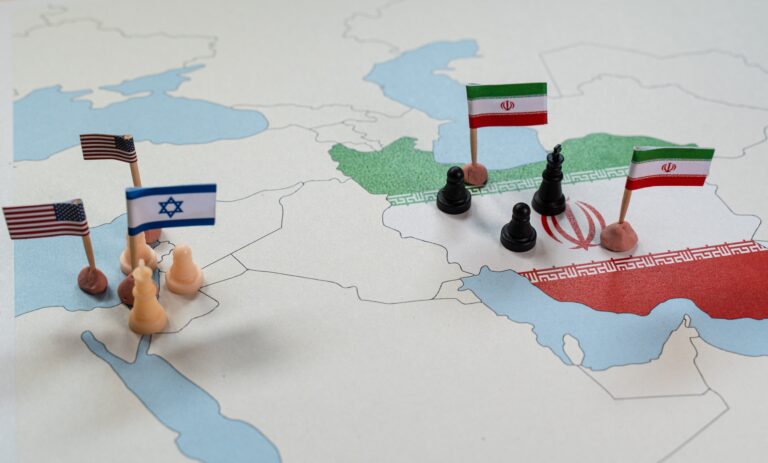
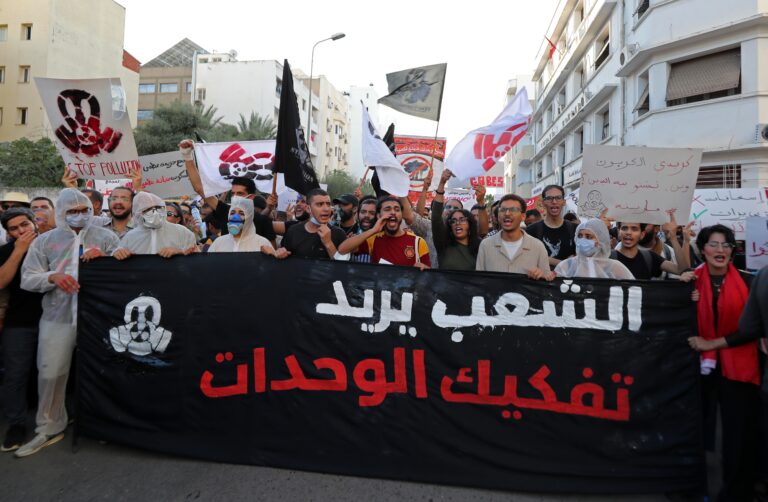
Climate change exposes stark injustices rooted in structural failures: populations in low-income and marginalized communities, including women, indigenous peoples, the elderly, children, and racialized minorities, regularly bear the worst of climate-induced disasters, and yet have the weakest capacity to adapt and recover, in part because universal social protection systems are absent. The UN’s World Economic and Social Survey emphasizes that these disproportionate impacts are neither random nor accidental but deeply rooted in structural poverty and exclusion, which heighten vulnerability. These social inequalities do not just coexist with climate change; they create feedback loops that worsen both. Neoliberal policies promoted by International Financial Institutions (IFIs) and widely adopted by governments in the Global South, including austerity and the privatization of public services, undermine accessibility and affordability. As marginalized communities face repeated climate shocks with limited resources and struggle to access public services, their vulnerability deepens, reinforcing poverty, exclusion, and environmental degradation in a self-perpetuating cycle. In the MENA region, foreign destabilizing factors also weaken social structures, further increasing the debt burden owed to the Global North.2Lakhani, N. (2024) Emissions from Israel’s war in Gaza have ‘immense’ effect on climate catastrophe, The Guardian. Available at: https://www.theguardian.com/world/2024/jan/09/emissions-gaza-israel-hamas-war-climate-change
Universal social security emerges as a structural defense against a structural challenge. It is defined as publicly financed systems of social protection that guarantee minimum income security and access to essential services for all residents across the life cycle, based on citizenship or residence rather than income, employment status, or contribution history. Universal protection approaches are rooted in human rights and frame social protection as a legal entitlement and a core function of the state, particularly in Global South contexts that are often characterized by high informality, labor-market exclusion, and exposure to systemic shocks. International frameworks such as the ILO’s Social Protection Floors Recommendation, 2012 (No. 202), and the United Nations Sustainable Development Goal 1.3 explicitly endorse universal systems as foundational to poverty reduction, inequality mitigation, and inclusive development. In practice, universal social security in low- and middle-income countries is commonly operationalized through instruments such as universal child benefits, which address persistent child poverty and human capital deficits; tax-financed social pensions that provide income security for older persons excluded from contributory schemes; and universal health coverage embedded within national social protection floors. Compared to targeted safety nets, which rely on means testing to concentrate limited resources on the poorest but often suffer from exclusion errors and administrative complexity, universal systems are better suited to contexts of widespread vulnerability, as they reduce coverage gaps.
In MENA, climate change not only exposes but also intensifies existing inequalities through deliberate policy choices: governments continue to channel vast sums into fossil fuels while neglecting essential social protections, leaving women farmers, informal workers, and other marginalized groups trapped in cycles of poverty amid droughts, heatwaves, and ecosystem collapse. This paper examines structural failures step by step: climate shocks reveal colonial legacies and neoliberal austerity eroding services; agriculture and fishing livelihoods face devastation; fossil fuel reliance takes its toll; climate justice demands integrated social safeguards and rejects eco-imperialist green schemes that displace communities without rights. Key findings condemn regressive reforms that deepen exclusion, spike pollution, and ignore climate risks, and urge a pivot to codify universal protections with climate triggers, phase out subsidies to fund resilient infrastructure, and embed labor rights in green transitions. Ultimately, universal, climate-responsive social protection, defined by the ILO as policies and programs that prevent poverty, vulnerability, and exclusion through guarantees such as healthcare, income security, and support for children, the unemployed, the elderly, and the disabled, bolsters resilience for MENA’s vulnerable groups. Climatologist Friederike Otto argues that “the more unequal the society, the more severe the climate disaster,” pointing to colonial histories, gendered power structures, and poverty-blind policymaking that shape vulnerability.3Otto, F. (2025) Climate change is not just a problem of physics but a crisis of Justice, The Guardian. Available at: https://www.theguardian.com/environment/2025/apr/18/climate-change-is-not-just-a-problem-of-physics-but-a-crisis-of-justice
Climate Change Jeopardizing Precarious Agricultural and Fishing Livelihood Systems in MENA
Climate change is rapidly undermining livelihoods, particularly in agriculture and fishing, two key sectors that employ vulnerable populations who depend on ecosystems.4IPCC Sixth Assessment Report, Chapter 8: Poverty, Livelihoods and Sustainable Development, Climate Change 2022: Impacts, Adaptation and Vulnerability. Available at: https://www.ipcc.ch/report/ar6/wg2/chapter/chapter-8/ Rising temperatures, intensifying droughts, and erratic rainfall have slashed crop yields across countries such as Tunisia, Morocco, and Egypt, where farmers face shortened growing seasons, soil degradation, and water scarcity5Cordall, S.S. (2023) Heatwave and drought leave Tunisia farmers struggling to survive, Al Jazeera. Available at: https://www.aljazeera.com/news/2023/7/26/heatwave-and-drought-leave-tunisia-farmers-struggling-to-survive Sea-level rise and saltwater intrusion threaten Egypt’s Nile Delta, putting millions of small-scale farmers at risk and jeopardizing food security, while warming seas are depleting fish stocks and shifting marine ecosystems, reducing potential catches by up to 70% by 2100.6Mcdonnell, T. (2022) Why the Nile Delta isn’t ready for climate change, World Economic Forum. Available at: https://www.weforum.org/stories/2022/11/the-nile-delta-isnt-ready-for-climate-change/
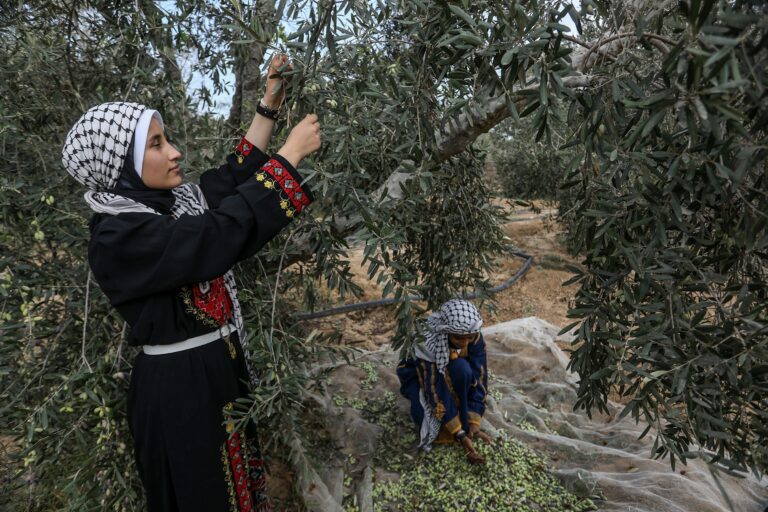
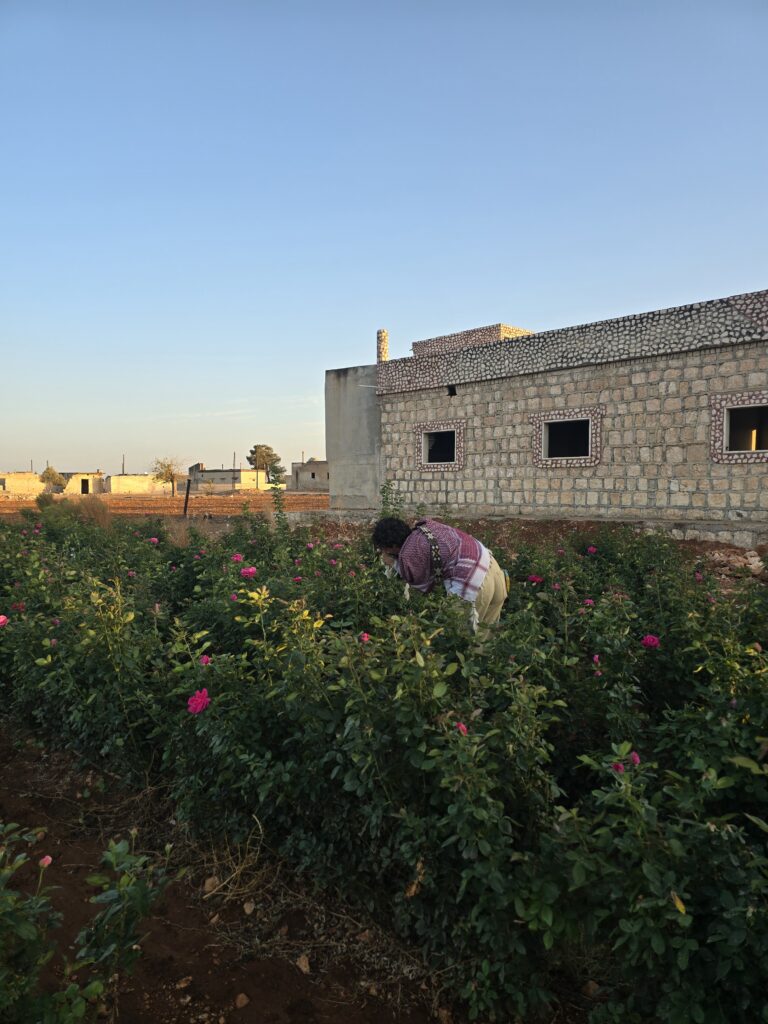
These climate-driven pressures highlight the urgent need for robust, climate-responsive social protection systems to support affected communities and build long-term resilience. Agriculture, for example, employs about 18.7% of Egypt’s labor force, roughly 5.6 million people out of a total of 30 million,7Egypt – employment in agriculture (% of total employment)2025 data 2026 forecast 1970-2023 historical (no date) Egypt – Employment In Agriculture (% Of Total Employment) – 2025 Data 2026 Forecast 1970-2023 Historical. Available at: https://tradingeconomics.com/egypt/employment-in-agriculture-percent-of-total-employment-wb-data.html and is among the most informalized sectors in the country. While Egypt’s overall informal employment rate is 31.2%, the rate in agriculture is significantly higher. It is estimated that more than 3.5 million agricultural workers in Egypt lack formal employment protections, including social insurance, contracts, or labor rights.8ILO, Expanding Social Insurance for agricultural workers in the Arab region (2024) International Labour Organization. Available at: https://www.ilo.org/projects-and-partnerships/projects/expanding-social-insurance-agricultural-workers-arab-region Moreover, women constitute an estimated 58% of agricultural employment as of 2020, and nearly 99% of female paid agricultural labor is informal. This means that most women engaged in farming work without formal contracts, health or social insurance, maternity rights, workplace safety guarantees, or paid leave,9HCSR (2022), The Impact of Climate Change of Female Agricultural Workers, The Human and the City for Social Research. Available at: https://www.hcsr-eg.org/the-impact-of-climate-change-on-female-agricultural-workers/ and are often employed on a seasonal or daily basis. Informal employment severely limits their access to social protection.10ILO (2024), ILO leads gender-responsive transition to a greener economy in Egypt, International Labour Organization. Available at: https://www.ilo.org/resource/article/ilo-leads-gender-responsive-transition-greener-economy-egypt This means millions of rural Egyptian women working in agriculture are systematically denied basic labor protections, which increases their economic insecurity and vulnerability to exploitation, and heightens their exposure to climate change. Additionally, due to climate change, women often bear the burden of land that becomes barren, after men migrate to urban centers in search of employment opportunities.11HCSR (2022), The Impact of Climate Change of Female Agricultural Workers, The Human and the City for Social Research. Available at: https://www.hcsr-eg.org/the-impact-of-climate-change-on-female-agricultural-workers/
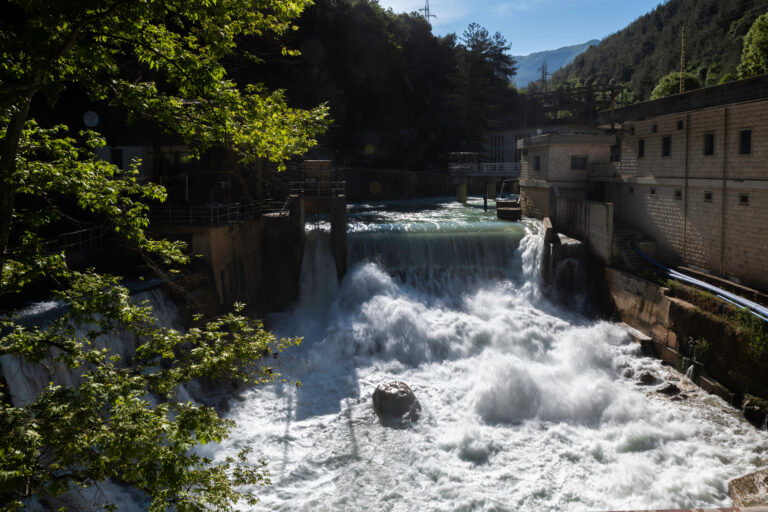
Likewise, Lebanon is facing an unprecedented climate-driven crisis that is crippling agriculture, fishing, and rural livelihoods. A historically severe drought, marked by a roughly 50% drop in rainfall across key agricultural zones such as the Bekaa Valley, has drained the country’s largest reservoir, forced irrigation cuts, and shut down hydroelectric plants on the Litani River, exacerbating electricity shortages and water scarcity. Agriculture, which employs around 8 to 15% of the workforce and contributes between 3% to 5% of GDP, is experiencing sharp revenue declines as rising temperatures, reduced soil moisture, and higher irrigation costs are compounded by urban expansion and creeping desertification, putting over 60% of Lebanese land at risk. Coastal fishing faces growing threats such as changing marine conditions and saltwater intrusion that degrade habitats essential to small-scale fishers. These pressures have so greatly increased food insecurity that the UN now classifies Lebanon among “hunger hotspots,” driven by intersecting climate shocks, conflict, and economic upheaval. Despite high employment rates, the sector remains largely informal, with about 88% of Lebanon’s agricultural workers lacking formal employment. This amounts to around 127,000 informal agricultural workers in Lebanon, working without contracts, health coverage, or safety guarantees. With women making up about 43% of the agricultural workforce and a large share being Syrian refugees, this level of informality represents a deep structural injustice, especially since refugees are entirely excluded from labor protections.12 Ibid.
Addressing these intertwined crises requires climate-adaptive social protection systems that support smallholder farmers, women, and fishers, along with investments in rural infrastructure and structural reforms to restore livelihoods and stabilize food access.13FAO Knowledge Repository. (2025), The role of social protection in strengthening agrifood systems and inclusive rural transformation, Food and Agriculture Organization. Available at: https://openknowledge.fao.org/items/fee16c57-2a75-481d-b8ae-18846fe7bc29
Fossil Fuel Addiction at the Expense of Social Protection
Globally, fossil fuel subsidies topped US $1 trillion in 2022, mostly benefiting wealthier households while straining budgets for health, education, and welfare. IFIs such as the International Monetary Fund (IMF), World Bank, and the European Bank for Reconstruction and Development have steered energy policy in MENA toward greater fossil fuel extraction and consumption, flouting their own climate mandates. In Egypt, subsidy cuts that triggered the 2024 fuel price hikes, ranging from 11% to 17% across gasoline, diesel, and other products, have disproportionately benefited wealthier households and corporations. These regressive policies allow high-energy-consuming industries to access cheaper imported fuels at subsidized rates relative to full market costs, padding their profits. At the same time, transport and food prices soar for working-class commuters and families. Fuel subsidies are indeed fiscally draining and environmentally catastrophic, propping up polluting industries and corporate profits at the expense of workers and environmental safeguards. But subsidy reform only makes sense when driven by social protection goals, reducing support for fossil fuels, industries, and affluent consumers while redirecting savings to increase the resilience of the poor through expanded social protections. Neoliberal reforms, by contrast, brutally hike the costs of essentials like fuel and food, mainly affecting working-class families while barely denting the energy costs of industrial giants. Under these policies, lifting subsidies without safeguards jacks up the cost of essentials like fuel and food, hitting low-income households hardest.
Meanwhile, the World Bank, African Development Bank, and French Development Agency have provided at least $3.1 billion in funding to liberalize the electricity sector, advocating tariff increases and subsidy removal as part of broader reforms, while ultimately benefiting industries rather than people by prioritizing export-oriented gas strategies. For example, Egypt became a major supplier of liquefied natural gas (LNG) to Europe by re-exporting gas imported from the Leviathan and Tamar fields in Israel. This arrangement, backed by international finance, relies on two main LNG export facilities: the Segas plant in Damietta and the Idku plant, operated by Shell and Petronas. In 2023, Egypt exported about 2.2 million metric tons of LNG to Europe and Turkey, representing roughly 75% of its total LNG exports. However, by 2024, Egypt faced a net oil and gas import bill of $6.3 billion, due to falling domestic production and rising local demand, issues that the reform agenda failed to address adequately.14Abdelrazek, S. (2025b). Tightening the deficit on gas – Economy – Al-Ahram Weekly. Ahram Online. https://english.ahram.org.eg/NewsContentP/50/541105/AlAhram-Weekly/Tightening-the-deficit-on-gas.aspx
Fossil fuel extraction is linked to serious health issues, including respiratory diseases, cancer, and neurological disorders, particularly among populations living near extraction sites.15Romanello, M. et al (2024). The 2024 report of the Lancet Countdown on health and climate change: facing record-breaking threats from delayed action. The Lancet. Available at: https://doi.org/10.1016/S0140-6736(24)01822-1 These communities also endure environmental degradation, such as water contamination and land loss, often without sharing in the economic benefits, which are captured mainly by corporations and economies in the Global North.16Hamouchene, H. (2019). Extractivism and Resistance in North Africa. Transnational Institute. Available at: https://www.tni.org/files/publication-downloads/web_maghreb_en_21-11-19.pdf While the fossil fuel sector employs over 11 million people globally and is growing in the MENA region, these jobs are often low-wage, precarious, and tied to boom-and-bust cycles that leave communities economically unstable once resources are depleted.17Saha, D., Walls, G., Waskow, D., & Lazer, L. (2023). Energy Transition Implications for Workers Supported by Oil and Gas | Just transitions in the oil and gas sector. Publications.wri.org. https://publications.wri.org/just-transitions-oil-gas-sector/energy-transition-implications-for-workers-supported-by-oil-and-gas Moreover, fossil fuel disasters such as oil spills and gas leaks cause long-term ecological harm and psychosocial stress, and compounding insecurity. Despite promises of economic development, fossil fuel extraction undermines health rights, a clean environment, and self-determination while exporting local resources.
Egypt’s integration into global fossil fuel markets has taken on a severely neocolonial character with enormous domestic costs, while benefits flow outward. Under export-led policies, Egypt has been compelled to prioritize gas exports, most of which are built and controlled by foreign corporations and European investors, despite severe domestic shortages. By mid-2024, over 40 lives were lost in Aswan due to power cuts and industrial shutdowns during a 49.6°C heatwave, a direct result of offshore gas reserves being depleted. Meanwhile, landmark fields like Zohr saw production decline from 70 billion cubic meters in 2021 to 53 billion cubic meters in 2024, leading to costly LNG imports of around 9.01 million metric tons and exports falling by more than half since 2023 amid market price drops. European-backed gas and emerging “green hydrogen” projects further entrench extractive dynamics: local communities face environmental degradation, water resource depletion, and land loss, while clean energy is exported to the Global North under highly unequal terms. These developments reflect a broader pattern of resource extraction and socio-economic displacement.
Since 2016, Egypt has gradually reduced fossil fuel subsidies under loan agreements with the IMF, a move that has disproportionately harmed the country’s poorest communities. Energy costs for low-income households rose by 35.71%, compared with 21.5% for high-income households, deepening inequality in energy access and living conditions. At the same time, from 2020 to 2023, Egypt saw a significant decline in public spending on essential social services. Health expenditure fell from 1.33% to 1.25% of GDP, while education spending dropped from 2.3% to 1.94%, despite constitutional commitments mandating a minimum of 3% for health and 4% for education. These cuts have weakened critical social protections just as economic pressures and structural reforms have made life more precarious for millions.
In Lebanon, although fossil fuel extraction has not advanced beyond the exploratory stage, IFI-led reforms have deepened extractive dependencies. A $474 million World Bank loan to build the controversial Bisri Dam (part of a $617 million project) illustrates how IFI-backed infrastructure often prioritizes capital-intensive schemes over socially equitable models, harming agricultural livelihoods and water resources in fertile valleys. The project was later frozen and canceled following civil society protests. Lebanon’s chronic power crisis persists, compounded by dependence on imported diesel fuel. Overall, these investments and policy prescriptions reflect a form of neocolonial resource governance. They promote fossil fuel extraction and infrastructure projects that primarily benefit global and elite interests, while failing to provide ordinary citizens with meaningful access, affordability, transparency, or ecological protection, further increasing their vulnerability.
Lebanon’s reliance on fossil fuels and diesel generators, backed by public contracts, private cartels, and international financiers, has been widely criticized as neocolonial extractivism, in which local health and environmental costs are imposed to benefit elites or external interests.18Chehayeb, K. (2023). Rights group says Lebanon electricity crisis deepens poverty. AP NEWS. https://apnews.com/article/lebanon-electricity-crisis-economy-human-rights-watch-a19a07cb834ac741a8e1bf5508d09659 By 2022, diesel imports had more than doubled, rising from US $900 million in 2017 to US $1.9 billion. This surge fueled over 9,300 small urban generators by 2017 and produced more than 10 million tons of CO₂, about 44% of Lebanon’s total emissions, by 2022.19Saliba, N. (2024) Fuel cartels are adding darkness, pollution and cancer to Lebanon’s misery. The National. https://www.thenationalnews.com/opinion/comment/2024/09/13/lebanon-fuel-crisis-cartel/ These generators emit fine particulate matter at levels three to six times higher than the World Health Organization’s safe limits. This has doubled the amount of airborne carcinogens and contributed to a 30% annual increase in cancer diagnoses in Beirut since 2020.20Cheeseman, A. (2024) “Where can you hide from pollution?”: cancer rises 30% in Beirut as diesel generators poison city. The Guardian. https://www.theguardian.com/global-development/2024/apr/22/where-can-you-hide-from-pollution-cancer-rises-30-in-beirut-as-diesel-generators-poison-city The health burden costs Lebanon more than US $1.4 billion each year, about 1% to 4% of the country’s GDP, in lost productivity and healthcare expenses.21Human Rights Watch. (2023). “Cut Off From Life Itself.” Human Rights Watch. https://www.hrw.org/report/2023/03/09/cut-life-itself/lebanons-failure-right-electricity Meanwhile, multinational firms and domestic fuel cartels have generated profits with limited accountability, aided by lender-backed power plants that externalize environmental damage onto local citizens, especially in regions like Zouk and Jounieh, where respiratory diseases, asthma, and cancer rates are notably higher.22Florian Elabdi. (2022). Two Danish power plants contribute in making a Lebanese tourist gem one of the most air-polluted cities in the world. Danwatch. https://danwatch.dk/en/two-danish-power-plants-contribute-in-making-a-lebanese-tourist-gem-one-of-the-most-air-polluted-cities-in-the-world/ Fossil fuel infrastructure funded or facilitated by Global North entities entrenches dependence, pollution, and inequality while diverting benefits away from Lebanese communities.
Between 2019 and 2021, Lebanon faced one of the worst economic crises in modern history: the national currency collapsed by over 90%, hyperinflation soared, and the state’s ability to finance basic public services deteriorated rapidly.23Cheeseman, A. (2024a, March 23). Tale of two Lebanons: après-ski champagne flows, while 80% live in poverty. Thetimes.com; The Sunday Times. https://www.thetimes.com/world/article/lebanon-apres-ski-wild-80-percent-poverty-inequality-6ccvhjdzc Public spending on health dropped sharply, from roughly 3.37% of GDP in 2020 to around 1.96% in 2022.24Current health expenditure (% of GDP), Lebanon. World Bank Open Data. https://data.worldbank.org/indicator/SH.XPD.CHEX.GD.ZS?locations=LB Education spending also tumbled: from 1.67% of GDP in 2020 (already down from 2.6% in 2019), the allocation remained stagnant or declined further as crisis consolidation continued.25Ibid.
The cases of Egypt and Lebanon both demonstrate how dependence on fossil fuels and the economic decisions around extraction and import deepen inequality and weaken public services. These choices often boost corporate profits while shifting health and climate costs to the poorest communities. Fossil fuel reliance creates a vicious cycle of elite capture and vulnerability; Egypt’s case resembles a rigged export gamble in which a vast gas field like Zohr dwindles, forcing imports while subsidy cuts crush working families’ transport and food budgets. The government chases export dreams with LNG plants like SEGAS and Idku, prioritizing Europe over locals amid deadly blackouts. Lebanon clings to diesel generators run by cartels, spewing pollution that has spiked cancer rates in Beirut by 30% since 2020. Lebanon relies on a privatized model, importing vast amounts of diesel to power individual generators that pollute valleys and cost $1.4 billion annually in health care expenses, rather than investing in public infrastructure. Despite differences between the two countries, both cases highlight the injustice of pollution, precarious jobs, and communities being sidelined while foreign investors and industry tycoons profit. International financiers encourage liberalization policies that funnel benefits abroad or to industries, leaving citizens with unaffordable basic services.
Civil society groups focused on climate justice, including Climate Action Network, Oil Change International, and Women’s Environment & Development Organization, emphasize that diverting climate financing into fossil fuels impedes climate action and the development of durable social security for vulnerable populations. This misalignment also weakens adaptive capacity when climate shocks occur, as underfunded social protection leaves households vulnerable to health impacts, food price increases, livelihood losses, and displacement. Conversely, shifting fossil fuel subsidies and investments toward climate protection could strengthen social protection: savings from subsidy reforms in Morocco, for example, funded expanded child benefits and health insurance coverage for millions. Morocco reduced universal energy subsidies, creating fiscal space to bolster targeted social programs such as conditional cash transfers. This policy pivot supported initiatives such as Tayssir, launched in 2008 by the Ministry of Education to curb school dropouts in rural areas. Tayssir delivers bimonthly cash payments to poor families with school-aged children (ages 6-15), conditional on regular attendance, targeting high-poverty rural municipalities. A 2008-2010 pilot showed strong results in boosting enrollment and retention, especially for girls, leading to nationwide expansion that reached 2.3 million children by 2022. These reforms are not enough to course-correct, but they steer financial resources toward social protection. UN Special Rapporteurs have confirmed that climate action is inseparable from fulfilling human rights duties, urging the reallocation of harmful subsidies into equitable, rights-based climate and social spending.26Volker, T. (2024) ““Well Past the Hour” for Countries to Align Climate Laws with Human Rights Obligations, Says High Commissioner.” OHCHR. Available at: www.ohchr.org/en/statements-and-speeches/2024/05/well-past-hour-countries-align-climate-laws-human-rights Stronger, universal social protection programs, financed through a sustainable fiscal framework for post-fossil fuel, will ensure communities have the resources and dignity to manage and flourish amid climate stresses.
Climate Justice and Social Protection are Inseparable
Climate catastrophes pose profound health, economic, and social challenges, straining societies worldwide. The most vulnerable, least equipped to shield themselves or cope with the aftermath, bear the brunt, trapped in compounding cycles of injustice. An employed office worker, with a formal contract, in an air-conditioned building faces fewer health risks from extreme heat, has health coverage if affected, and benefits from stable employment contracts that guard against sudden job loss. In stark contrast, an informal agricultural worker endures direct exposure to weather shocks, grapples with low wages and no protections, and risks job loss if they become ill. Climate protection is not simply a matter of preservation; it is a frontline defense for some of the region’s most vulnerable people. Any climate action that sacrifices marginalized communities for the sake of “green” progress reproduces the very systems of oppression and extraction that caused the climate crisis in the first place. According to the UN, the richest 1% of the world’s population are responsible for more than twice the emissions of the poorest 50%. The global capitalist economy, rooted in colonialism, has fueled centuries of environmental degradation through land theft, forced labor, and resource extraction. It is essential to reject any “green transition” that mimics colonial patterns, such as land grabs for carbon offsets, lithium mining for electric vehicles, or the construction of massive renewable infrastructure that displaces farming communities. Climate protection that comes at the expense of sovereignty, workers’ rights, or the survival of frontline communities is not protection at all; it is eco-imperialism. Environmentalism divorced from economic rights and social welfare constitutes a business opportunity, as evidenced by problematic investments in renewable energy in the MENA region and other countries of the Global South.27IEA. (2023). World Energy Employment 2023 – Analysis. IEA. https://www.iea.org/reports/world-energy-employment-2023
While social protection systems are showing early signs of climate responsiveness, questions remain about their efficacy given the region’s heightened exposure and compounded vulnerability. Some countries, such as Jordan, Egypt, and Palestine, have begun integrating climate risks into their social safety nets, yet significant drawbacks persist. UNICEF’s 2018 review found that much of the region lacks formal shock-responsive mechanisms, such as contingency funds, emergency payout procedures, or early-warning–linked triggers, even as climate hazards intensify.28UNICEF. (2024). Building Shock-Responsive National Social Protection Systems in the Middle East and North Africa Region. Climate, Environment, Energy, and Disaster Risk Reduction. https://knowledge.unicef.org/CEED/resource/building-shock-responsive-national-social-protection-systems-middle-east-and-north-africa
The World Bank’s 2023 assessment shows that social protection schemes in the MENA region largely omit climate considerations in their design, leaving informal workers, youth, and women without adequate buffers. Across MENA, many of the poorest communities live in areas where multiple climate threats, such as heatwaves, droughts, and floods, overlap, yet they have minimal access to social protection. In practice, climate protection efforts are fragmented and driven by donors and debt obligations, often focusing on short-term crises. This approach fails to address underlying hazards and violates states’ responsibilities to progressively realize the rights to social security and an adequate standard of living. Without legally grounded, climate-informed frameworks, affected communities, including the poorest, rural, and displaced, remain marginalized. The continued reliance on debt, the resulting policy of liberalization and privatization, and the heavy reliance on the private sector are all a recipe for further climate deterioration. Proper alignment requires embedding climate risk into social protection laws, ring-fencing budgets for climate shocks, strengthening inclusive governance, and ensuring robust monitoring tied to rights-based benchmarks. Civil society engagement and transparency are essential for states to transform incomplete safety nets into resilient, rights-respecting systems.
In conclusion, evidence underscores that robust social spending and universal social protection systems are essential to building resilience among marginalized communities facing mounting threats from climate change and resulting health crises. While neoliberal policies tip the scales against the most vulnerable through private-sector investments and service liberalization, rebalancing the scales requires deliberately tipping them back in their favor. The region now stands at a pivotal crossroads, facing a clear choice: either continue with a petroculture of profiteering, marked by trillion-dollar fossil fuel subsidies, IMF-mandated austerity, and neocolonial extraction that impoverish the most vulnerable, or shift toward more just and sustainable alternatives. Universal social protection not only provides predictable income security and access to healthcare that help households absorb and adapt to climate shocks but also supports long-term adaptation and a just transition to sustainable economies. Civil society organizations, including Oxfam’s Civil Society Collective Statement on Public Services, emphasize that publicly financed services such as social protection and healthcare are strategic investments that reduce inequality and strengthen communities’ capacity to withstand future shocks.29Oxfam (2025) “Civil Society Collective Statement on Public Services | Oxfam International.” Oxfam International. Available at: www.oxfam.org/en/press-releases/civil-society-collective-statement-public-services Moreover, climate-focused groups such as the Red Cross Red Crescent Climate Centre argue that integrating social protection with climate risk management enhances adaptive capacity among the poorest and most vulnerable.30Sengupta, S., Dahlet, G. (2023). Policy coherence between social protection and climate action: initial findings from global studies and projects. Red Cross Red Crescent Climate Centre. Available at: https://www.climatecentre.org/wp-content/uploads/RCCC-SP-CC-policy-coherence-Brief-V4.pdf
Policy Recommendations
- Codify and Universalize Social Protection Coverage, Integrating Climate Risks
National governments in MENA must enact binding legislation codifying the right to social protection and climate resilience as universal rights for all persons under their jurisdiction. As primary duty-bearers under the International Covenant on Economic, Social, and Cultural Rights (ICESCR) and the Arab Charter, states must take concrete actions to protect vulnerable populations from climate catastrophes and worsening conditions. These actions are essential to fulfill their human rights obligations. They include mandating nondiscriminatory access to core guarantees such as universal healthcare, income security through cash transfers, child allowances, unemployment benefits, elderly pensions, and disability support; integrating climate risk assessments into benefit designs, such as adaptive payouts triggered by droughts or heatwaves; and establishing national resilience funds financed by progressive taxation and climate finance to preempt poverty and exclusion. Regional frameworks can harmonize these standards through binding protocols. IFIs, such as the World Bank and the IMF, must be asked to provide technical assistance, concessional financing, and conditional lending tied to reforms that align domestic laws with the United Nations Framework Convention on Climate Change (UNFCCC) commitments and ILO Convention No. 102. Existing social protection systems in MENA, such as Egypt’s Takaful and Karama programs or Jordan’s national aid system, already cover some vulnerable populations. Governments can strengthen these systems by expanding from targeted, means-tested coverage to universal basic floors in line with ILO Recommendation No. 202. Additional measures include digitizing benefits delivery through mobile platforms for climate-responsive payouts and channeling adaptation finance from Nationally Determined Contributions (NDCs) into social registries. This progressive approach bolsters resilience for MENA’s vulnerable groups without the need to overhaul proven infrastructures.
- Restructure Fossil Fuel Subsidies and Redirect Funds to Social Protection
Reforming fossil fuel subsidies is crucial for meeting climate goals and improving social welfare in MENA. These subsidies now total billions of dollars annually, primarily benefiting wealthy households and businesses while worsening inequality and climate vulnerability. National governments must lead by enacting binding legislation to phase out fossil fuel subsidies within a realistic timeframe. In MENA countries such as Egypt, Jordan, and Saudi Arabia, these subsidies often equal 5–10% of GDP and disproportionately benefit businesses and wealthy households. This deepens inequality and climate vulnerability, undermining both national and global climate commitments. IFIs such as the IMF have found that up to 62% of these subsidies go to the richest income groups and energy-intensive industries. This encourages overconsumption, increases CO2 emissions, crowds out investment in renewable energy, and leaves low-income households especially vulnerable to climate shocks such as heatwaves and droughts, without sufficient fiscal space for adaptation. While the IMF often recommends simply removing subsidies, effective reform must go further. Specific interventions should include: (1) reallocating subsidy savings to create universal social protection floors, guaranteeing cash transfers, healthcare, child allowances, unemployment benefits, pensions, and disability support; (2) integrating climate triggers into these payouts, such as automatic adjustments for weather shocks or droughts; and (3) establishing resilience funds, financed by progressive taxes on major emitters and redirected climate finance, to protect against poverty spikes during energy price transitions.
- Strengthen Labor Rights in the Green Economy for a Just Transition
Governments must uphold core labor rights (ILO Conventions Nos. 87, 98) and treat just transition principles as fundamental human rights, ensuring decent work, non-discrimination, and meaningful participation as economies shift toward green sectors. This commitment is essential to prevent the exclusion of MENA’s informal and migrant workers, who make up more than 60% of the region’s workforce. Without robust protections, green transitions risk repeating abuses from the fossil fuel sector, including the exploitation of migrant laborers, the displacement of informal workers without retraining, and the sidelining of women from renewable jobs due to persistent gender gaps. For example, affluent Gulf states often prioritize capital-intensive technologies over labor-intensive opportunities for local workers. National governments should ratify and incorporate ILO Conventions Nos. 87, 98, 29 (forced labor), and 105 into domestic law, and adopt just transition policies with specific interventions: (1) retraining programs for fossil fuel and informal workers to enter green jobs such as solar installation, wind maintenance, and sustainable agriculture, including free certification and wage subsidies; (2) nondiscriminatory hiring quotas (e.g., 30% for locals, women, and migrants) in renewable projects, enforced by labor inspections; and (3) genuine community involvement through social dialogue councils with unions, employers, and government to co-design National Just Transition Strategies linked to NDCs.
Bibliography
Abdel-Halim, A. (2023, April 2). Demanding Fairness: Towards Better Conditions for Egypt’s Digital Platform Workers. Egyptian Streets. https://egyptianstreets.com/2023/04/02/demanding-fairness-towards-better-conditions-for-egypts-digital-platform-workers
Abdelrazek, S. (2025a). Egypt: A gas gateway to Europe – Economy – Al-Ahram Weekly. Ahram Online. https://english.ahram.org.eg/NewsContent/50/1202/360020/AlAhram-Weekly/Economy/Egypt-A-gas-gateway-to-Europe.aspx
Abdelrazek, S. (2025b). Tightening the deficit on gas – Economy – Al-Ahram Weekly. Ahram Online. https://english.ahram.org.eg/NewsContentP/50/541105/AlAhram-Weekly/Tightening-the-deficit-on-gas.aspx
Al Awsat, A. (2019). Lebanon: Protest Against the World Bank-Financed Bisri Dam Project. Aawsat.com. https://english.aawsat.com/home/article/1619776/lebanon-protest-against-world-bank-financed-bisri-dam-project
BSG (2024, November 12). MDBs cannot be climate bankers while still being fossil fuel bankers | The Big Shift Global. The Big Shift Global. https://bigshiftglobal.org/mdbs-cannot-be-climate-bankers-while-still-being-fossil-fuel-bankers
Cheeseman, A. (2024a, March 23). Tale of two Lebanons: après-ski champagne flows, while 80% live in poverty. Thetimes.com; The Sunday Times. https://www.thetimes.com/world/article/lebanon-apres-ski-wild-80-percent-poverty-inequality-6ccvhjdzc
Cheeseman, A. (2024b, April 22). “Where can you hide from pollution?”: Cancer rises 30% in Beirut as diesel generators poison the city. The Guardian. https://www.theguardian.com/global-development/2024/apr/22/where-can-you-hide-from-pollution-cancer-rises-30-in-beirut-as-diesel-generators-poison-city
Chehayeb, K. (2023, March 9). Rights group says Lebanon electricity crisis deepens poverty. AP NEWS. https://apnews.com/article/lebanon-electricity-crisis-economy-human-rights-watch-a19a07cb834ac741a8e1bf5508d09659
Cordall, S.S. (2023). Heatwave and drought leave Tunisia farmers struggling to survive, Al Jazeera. Available at: https://www.aljazeera.com/news/2023/7/26/heatwave-and-drought-leave-tunisia-farmers-struggling-to-survive
Current health expenditure (% of GDP), Lebanon, World Bank Open Data. https://data.worldbank.org/indicator/SH.XPD.CHEX.GD.ZS?locations=LB
Reuters (2025) Lebanon’s worst drought on record drains largest reservoir | Reuters. Available at: https://www.reuters.com/sustainability/boards-policy-regulation/lebanons-worst-drought-record-drains-largest-reservoir-2025-07-15/
David, A. (2024). Lebanese youths take up rods and reels to learn sustainable fishing, Mongabay Environmental News. Available at: https://news.mongabay.com/2024/03/lebanese-youths-take-up-rods-and-reels-to-learn-sustainable-fishing/
Egypt – Employment in agriculture (% of total employment)2025 data 2026 forecast 1970-2023 historical (no date) Egypt – Employment in Agriculture (% of Total Employment) – 2025 Data 2026 Forecast 1970-2023 Historical. Available at: https://tradingeconomics.com/egypt/employment-in-agriculture-percent-of-total-employment-wb-data.html
Elia, S. and El-Mouallem, H. (2025) Lebanon’s forgotten workers, Raseef22. Available at: https://raseef22.net/english/article/1100069-lebanons-forgotten-workers
Expanding Social Insurance for agricultural workers in the Arab region (2024). International Labour Organization. Available at: https://www.ilo.org/projects-and-partnerships/projects/expanding-social-insurance-agricultural-workers-arab-region
Environment, U. (2020). Emissions Gap Report 2020. UNEP – UN Environment Programme. https://www.unep.org/resources/emissions-gap-report-2020
FAO Knowledge Repository. (2025). Fao.org. https://openknowledge.fao.org/items/fee16c57-2a75-481d-b8ae-18846fe7bc29
Florian Elabdi. (2022, May 12). Two Danish power plants contribute in making a Lebanese tourist gem one of the most air-polluted cities in the world. Danwatch. https://danwatch.dk/en/two-danish-power-plants-contribute-in-making-a-lebanese-tourist-gem-one-of-the-most-air-polluted-cities-in-the-world/
Four flaws: Assessing the Egyptian-IMF energy subsidies reforml Rights. (2020). Eipr.org. https://eipr.org/en/press/2020/10/egyptian-initiative-personal-rights-launches-its-report-four-flaws-assessing-egyptian
Gad, M. (2025, March 29). International finance and the commodification of electricity in Egypt | Transnational Institute. Transnational Institute. https://www.tni.org/en/article/international-finance-and-the-commodification-of-electricity-in-egypt
Hamouchene, H. (2019). Extractivism and Resistance in North Africa. https://www.tni.org/files/publication-downloads/web_maghreb_en_21-11-19.pdf
Hamouchene, H. (2024, February 8). The energy transition in North Africa | Transnational Institute. Www.tni.org. https://www.tni.org/en/article/the-energy-transition-in-north-africa
Human Rights Watch. (2023). “Cut Off From Life Itself.” Human Rights Watch. https://www.hrw.org/report/2023/03/09/cut-life-itself/lebanons-failure-right-electricity
IEA. (2023). World Energy Employment 2023 – Analysis. IEA. https://www.iea.org/reports/world-energy-employment-2023
ILO leads gender-responsive transition to a greener economy in Egypt (2024) International Labour Organization. Available at: https://www.ilo.org/resource/article/ilo-leads-gender-responsive-transition-greener-economy-egypt
IPCC (no date) Chapter 8: Poverty, Livelihoods and Sustainable Development, Climate Change 2022: Impacts, Adaptation and Vulnerability. Available at: https://www.ipcc.ch/report/ar6/wg2/chapter/chapter-8/
ILO. (2020). World Social Protection Report 2020–22: Regional companion report for the Middle East and North Africa (MENA) region. Social-Protection.org. https://www.social-protection.org/gimi/ShowRessource.action
ILO. (2024). Universal social protection for climate action and a just transition. Ilo.org. https://webapps.ilo.org/static/english/reports/flagship/world_social_protection_report_2024-26/Chapter%2002.html
ILO. (2025, June 13). ILO Commits to International Standards on Gig Work. Human Rights Watch. https://www.hrw.org/news/2025/06/13/ilo-commits-to-international-standards-on-gig-work
ILO Urges Binding Treaty for Gig Worker Protection. (2025, June 3). Mirage News. https://www.miragenews.com/ilo-urges-binding-treaty-for-gig-worker-1471132/
Lakhani, N. (2025, June 30). UN expert urges criminalizing fossil fuel disinformation, banning lobbying. The Guardian; The Guardian. https://www.theguardian.com/environment/2025/jun/30/un-expert-urges-criminalizing-fossil-fuel-disinformation-banning-lobbying
Lakhani, N. (2024) Emissions from Israel’s war in Gaza have ‘immense’ effect on climate catastrophe, The Guardian. Available at: https://www.theguardian.com/world/2024/jan/09/emissions-gaza-israel-hamas-war-climate-change
Lebanon – employment in agriculture (% of total employment)2025 data 2026 forecast 1991-2023 historical (no date) Lebanon – Employment In Agriculture (% Of Total Employment) – 2025 Data 2026 Forecast 1991-2023 Historical. Available at: https://tradingeconomics.com/lebanon/employment-in-agriculture-percent-of-total-employment-wb-data.html
McDonnell, T. (no date). Why the Nile Delta isn’t ready for climate change, World Economic Forum. Available at: https://www.weforum.org/stories/2022/11/the-nile-delta-isnt-ready-for-climate-change/
MENA Observatory on Responsible AI (2025), Social Security Provisions for Workers in the Platform Economy: Policy Options with Focus on Egypt, MENA Observatory on Responsible AI. Available at: https://menaobservatory.ai/en/blogs/71
Moore, M. (2024, September 2). Egypt’s journey from gas bonanza to power blackouts. FinancialTimes; Financial Times. https://www.ft.com/content/b86c9f85-715e-4b12-a19a-9776c6251c9e
Otto Thomasz, E., (2024). Agriculture in Extremadura is highly dependent on ecosystem services. The agricultural strategy developed in Extremadura, A. Valuing ecosystem services in agricultural production in southwest Spain, Ecosystem Services. Available at: https://www.sciencedirect.com/science/article/pii/S2212041624000433?via%3Dihub
Otto, F. (2025). Climate change is not just a problem of physics but a crisis of Justice, The Guardian. Available at: https://www.theguardian.com/environment/2025/apr/18/climate-change-is-not-just-a-problem-of-physics-but-a-crisis-of-justice
Pavittarbir Saggu. (2024). Climate Finance: A Test of Global Solidarity and Survival. Modern Diplomacy. https://moderndiplomacy.eu/2024/11/26/climate-finance-a-test-of-global-solidarity-and-survival/
Reuters. (2024). President Sisi warns regional troubles may force Egypt to re-evaluate IMF accord. Reuters. https://www.reuters.com/world/africa/president-sisi-warns-regional-troubles-may-force-egypt-re-evaluate-imf-accord-2024-10-20/
Reuters. (2025, April 11). Egypt raises fuel prices for first time in 2025. Reuters. https://www.reuters.com/world/americas/egypt-raises-fuel-prices-first-time-2025-local-media-report-2025-04-10/
Romanello, M., et al (2024). The 2024 report of the Lancet Countdown on health and climate change: facing record-breaking threats from delayed action. The Lancet, 0(0). https://doi.org/10.1016/S0140-6736(24)01822-1
Rose, Elia, C. (2025, July 10). Leaking Imperialism | Transnational Institute. Transnational Institute. https://www.tni.org/en/article/leaking-imperialism?
Saha, D., Walls, G., Waskow, D., & Lazer, L. (2023). Energy Transition Implications for Workers Supported by Oil and Gas | Just transitions in the oil and gas sector. Publications.wri.org. https://publications.wri.org/just-transitions-oil-gas-sector/energy-transition-implications-for-workers-supported-by-oil-and-gas
Saliba, N. (2024, September 13). Fuel cartels are adding darkness, pollution, and cancer to Lebanon’s misery. The National. https://www.thenationalnews.com/opinion/comment/2024/09/13/lebanon-fuel-crisis-cartel/
Shalaby, Nayera. (2023). FY 23/24 draft budget: Health, education allocations continue to fall, sit below half constitutional mandate. Mada Masr. https://www.madamasr.com/en/2023/05/15/news/economy/fy-23-24-draft-budget-health-education-allocations-continue-to-fall-sit-below-half-constitutional-mandate/
UNICEF. (2024). Building Shock-Responsive National Social Protection Systems in the Middle East and North Africa Region. Climate, Environment, Energy, and Disaster Risk Reduction. https://knowledge.unicef.org/CEED/resource/building-shock-responsive-national-social-protection-systems-middle-east-and-north-africa
World Bank. (2023, June 7). New World Bank Report: Social Protection Policies Vital to Addressing Labor-Market Exclusion in the Middle East and North Africa. World Bank; World Bank Group. https://www.worldbank.org/en/news/press-release/2023/06/07/new-world-bank-report-social-protection-policies-vital-to-addressing-labor-market-exclusion-in-the-middle-east-and-north
WHO (2024, October 30). The Lancet urges divestment from fossil fuels to save lives. Who.int; World Health Organization: WHO. https://www.who.int/news/item/30-10-2024-the-lancet-urges-divestment-from-fossil-fuels-to-save-lives
New UN Report: Inequalities Cause and exacerbate climate impacts on poor and vulnerable people (no date) United Nations. Available at: https://www.un.org/en/desa/new-un-report-inequalities-cause-and-exacerbate-climate-impacts-poor-and
Zampano, G. (2024) Un report warns of famine, aggravated by conflicts and climate shocks, AP News. Available at: https://apnews.com/article/un-fao-wfp-food-crises-conflicts-weather-sudan-palestine-haiti-mali-5f41d3cb7500dd0eb151de52ebe287a7
Endnotes
| ↑1 | Otto Thomasz, E., Agriculture in Extremadura is highly dependent on ecosystem services. The agricultural strategy developed in Extremadura, A. (2024) Valuing ecosystem services in agricultural production in southwest Spain, Ecosystem Services. Available at: https://www.sciencedirect.com/science/article/pii/S2212041624000433?via%3Dihub |
|---|---|
| ↑2 | Lakhani, N. (2024) Emissions from Israel’s war in Gaza have ‘immense’ effect on climate catastrophe, The Guardian. Available at: https://www.theguardian.com/world/2024/jan/09/emissions-gaza-israel-hamas-war-climate-change |
| ↑3 | Otto, F. (2025) Climate change is not just a problem of physics but a crisis of Justice, The Guardian. Available at: https://www.theguardian.com/environment/2025/apr/18/climate-change-is-not-just-a-problem-of-physics-but-a-crisis-of-justice |
| ↑4 | IPCC Sixth Assessment Report, Chapter 8: Poverty, Livelihoods and Sustainable Development, Climate Change 2022: Impacts, Adaptation and Vulnerability. Available at: https://www.ipcc.ch/report/ar6/wg2/chapter/chapter-8/ |
| ↑5 | Cordall, S.S. (2023) Heatwave and drought leave Tunisia farmers struggling to survive, Al Jazeera. Available at: https://www.aljazeera.com/news/2023/7/26/heatwave-and-drought-leave-tunisia-farmers-struggling-to-survive |
| ↑6 | Mcdonnell, T. (2022) Why the Nile Delta isn’t ready for climate change, World Economic Forum. Available at: https://www.weforum.org/stories/2022/11/the-nile-delta-isnt-ready-for-climate-change/ |
| ↑7 | Egypt – employment in agriculture (% of total employment)2025 data 2026 forecast 1970-2023 historical (no date) Egypt – Employment In Agriculture (% Of Total Employment) – 2025 Data 2026 Forecast 1970-2023 Historical. Available at: https://tradingeconomics.com/egypt/employment-in-agriculture-percent-of-total-employment-wb-data.html |
| ↑8 | ILO, Expanding Social Insurance for agricultural workers in the Arab region (2024) International Labour Organization. Available at: https://www.ilo.org/projects-and-partnerships/projects/expanding-social-insurance-agricultural-workers-arab-region |
| ↑9 | HCSR (2022), The Impact of Climate Change of Female Agricultural Workers, The Human and the City for Social Research. Available at: https://www.hcsr-eg.org/the-impact-of-climate-change-on-female-agricultural-workers/ |
| ↑10 | ILO (2024), ILO leads gender-responsive transition to a greener economy in Egypt, International Labour Organization. Available at: https://www.ilo.org/resource/article/ilo-leads-gender-responsive-transition-greener-economy-egypt |
| ↑11 | HCSR (2022), The Impact of Climate Change of Female Agricultural Workers, The Human and the City for Social Research. Available at: https://www.hcsr-eg.org/the-impact-of-climate-change-on-female-agricultural-workers/ |
| ↑12 | Ibid. |
| ↑13 | FAO Knowledge Repository. (2025), The role of social protection in strengthening agrifood systems and inclusive rural transformation, Food and Agriculture Organization. Available at: https://openknowledge.fao.org/items/fee16c57-2a75-481d-b8ae-18846fe7bc29 |
| ↑14 | Abdelrazek, S. (2025b). Tightening the deficit on gas – Economy – Al-Ahram Weekly. Ahram Online. https://english.ahram.org.eg/NewsContentP/50/541105/AlAhram-Weekly/Tightening-the-deficit-on-gas.aspx |
| ↑15 | Romanello, M. et al (2024). The 2024 report of the Lancet Countdown on health and climate change: facing record-breaking threats from delayed action. The Lancet. Available at: https://doi.org/10.1016/S0140-6736(24)01822-1 |
| ↑16 | Hamouchene, H. (2019). Extractivism and Resistance in North Africa. Transnational Institute. Available at: https://www.tni.org/files/publication-downloads/web_maghreb_en_21-11-19.pdf |
| ↑17 | Saha, D., Walls, G., Waskow, D., & Lazer, L. (2023). Energy Transition Implications for Workers Supported by Oil and Gas | Just transitions in the oil and gas sector. Publications.wri.org. https://publications.wri.org/just-transitions-oil-gas-sector/energy-transition-implications-for-workers-supported-by-oil-and-gas |
| ↑18 | Chehayeb, K. (2023). Rights group says Lebanon electricity crisis deepens poverty. AP NEWS. https://apnews.com/article/lebanon-electricity-crisis-economy-human-rights-watch-a19a07cb834ac741a8e1bf5508d09659 |
| ↑19 | Saliba, N. (2024) Fuel cartels are adding darkness, pollution and cancer to Lebanon’s misery. The National. https://www.thenationalnews.com/opinion/comment/2024/09/13/lebanon-fuel-crisis-cartel/ |
| ↑20 | Cheeseman, A. (2024) “Where can you hide from pollution?”: cancer rises 30% in Beirut as diesel generators poison city. The Guardian. https://www.theguardian.com/global-development/2024/apr/22/where-can-you-hide-from-pollution-cancer-rises-30-in-beirut-as-diesel-generators-poison-city |
| ↑21 | Human Rights Watch. (2023). “Cut Off From Life Itself.” Human Rights Watch. https://www.hrw.org/report/2023/03/09/cut-life-itself/lebanons-failure-right-electricity |
| ↑22 | Florian Elabdi. (2022). Two Danish power plants contribute in making a Lebanese tourist gem one of the most air-polluted cities in the world. Danwatch. https://danwatch.dk/en/two-danish-power-plants-contribute-in-making-a-lebanese-tourist-gem-one-of-the-most-air-polluted-cities-in-the-world/ |
| ↑23 | Cheeseman, A. (2024a, March 23). Tale of two Lebanons: après-ski champagne flows, while 80% live in poverty. Thetimes.com; The Sunday Times. https://www.thetimes.com/world/article/lebanon-apres-ski-wild-80-percent-poverty-inequality-6ccvhjdzc |
| ↑24 | Current health expenditure (% of GDP), Lebanon. World Bank Open Data. https://data.worldbank.org/indicator/SH.XPD.CHEX.GD.ZS?locations=LB |
| ↑25 | Ibid. |
| ↑26 | Volker, T. (2024) ““Well Past the Hour” for Countries to Align Climate Laws with Human Rights Obligations, Says High Commissioner.” OHCHR. Available at: www.ohchr.org/en/statements-and-speeches/2024/05/well-past-hour-countries-align-climate-laws-human-rights |
| ↑27 | IEA. (2023). World Energy Employment 2023 – Analysis. IEA. https://www.iea.org/reports/world-energy-employment-2023 |
| ↑28 | UNICEF. (2024). Building Shock-Responsive National Social Protection Systems in the Middle East and North Africa Region. Climate, Environment, Energy, and Disaster Risk Reduction. https://knowledge.unicef.org/CEED/resource/building-shock-responsive-national-social-protection-systems-middle-east-and-north-africa |
| ↑29 | Oxfam (2025) “Civil Society Collective Statement on Public Services | Oxfam International.” Oxfam International. Available at: www.oxfam.org/en/press-releases/civil-society-collective-statement-public-services |
| ↑30 | Sengupta, S., Dahlet, G. (2023). Policy coherence between social protection and climate action: initial findings from global studies and projects. Red Cross Red Crescent Climate Centre. Available at: https://www.climatecentre.org/wp-content/uploads/RCCC-SP-CC-policy-coherence-Brief-V4.pdf |