



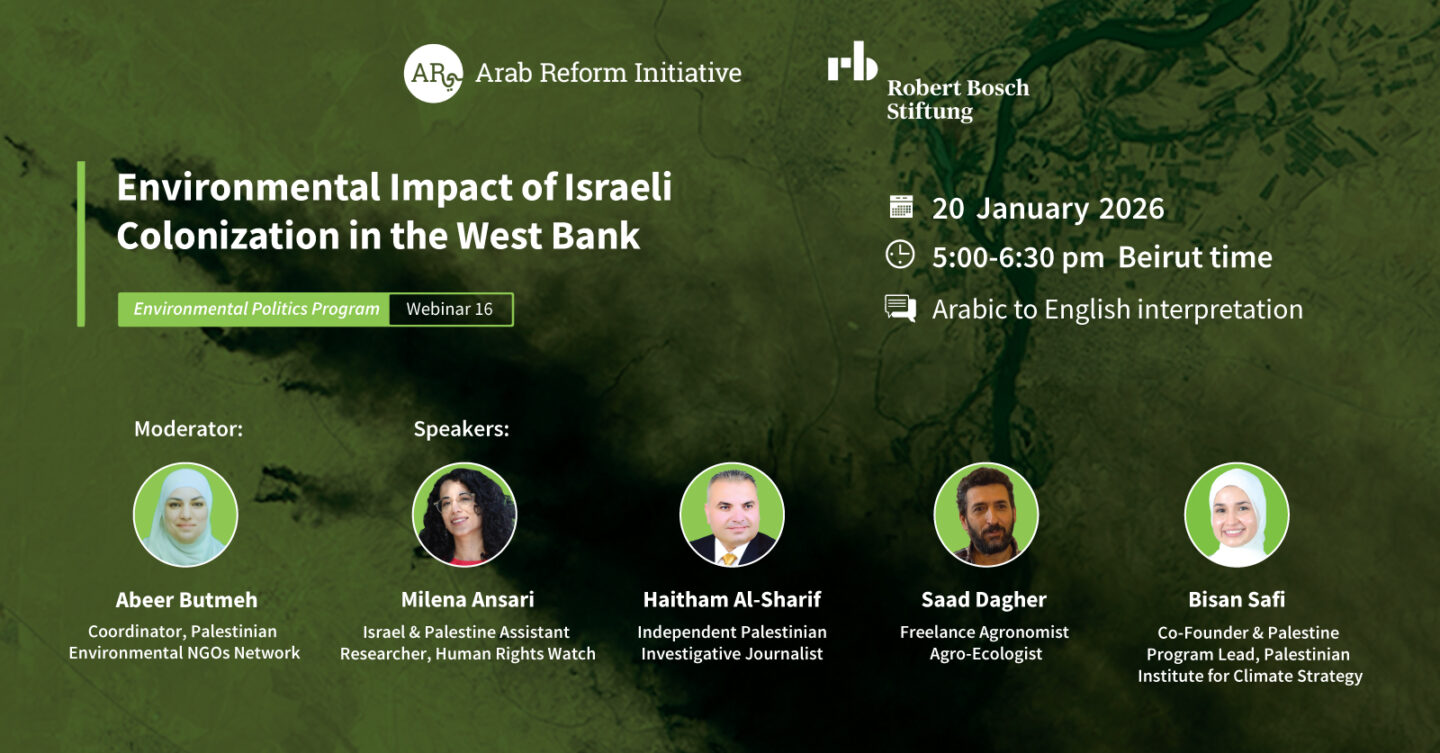
You can register to attend by following this link. You will receive a Zoom confirmation email should your registration be successful. Alternatively, you can watch the event live here on our Facebook page.
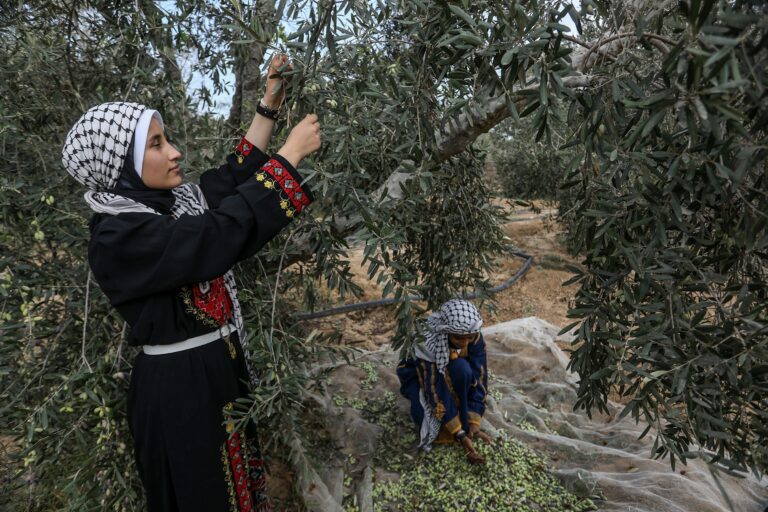
Israel’s occupation and colonization of the West Bank and its annexation of East Jerusalem through the establishment of around 250 settlements and outposts housing a total of 700 000 settlers, has strained this small region’s water and land resources. Palestinians NGO’s have over the years shown and demonstrated how hundreds of water hungry settlements have deprived local villages of regular access to water, how settler’s garbage and wastewater is dumped into Palestinian land, and how those expanding settlements by their very existence impact the capacity of Palestinians to cultivate and to make use of their own land. Settlers have also taken it upon themselves to pursue and to accelerate the land grab in the West Bank, attacking villages and farmers, often with the complicity of the Israeli occupying army, leading to the destruction of vast swathes of cultivated Palestinian land. Palestinian food and water sovereignty are heavily impacted as a result, which Palestinian activists have argued is part of a larger effort to economically and socially suffocate the region. In addition, key elements of Palestinian environmental sovereignty, such as the Union of Agricultural Work Committees (UAWC’s) seed bank in Hebron, have been deliberately destroyed by IDF in an attempt to deepen its environmental stranglehold.
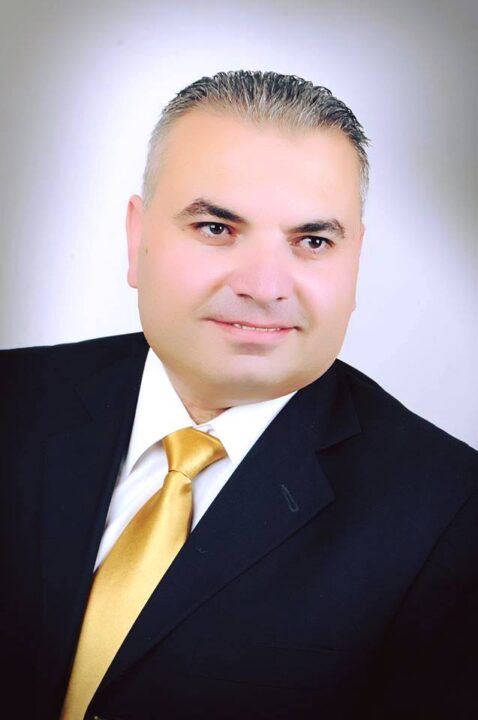
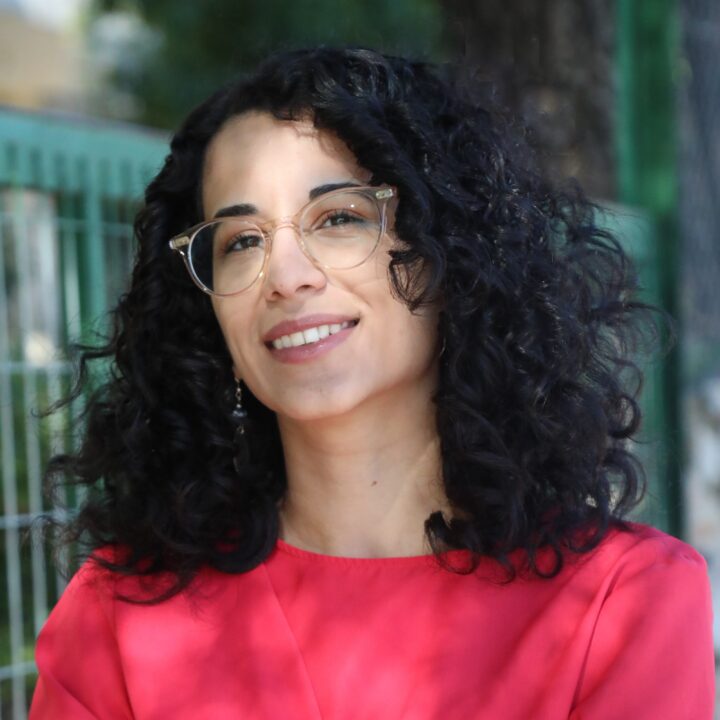
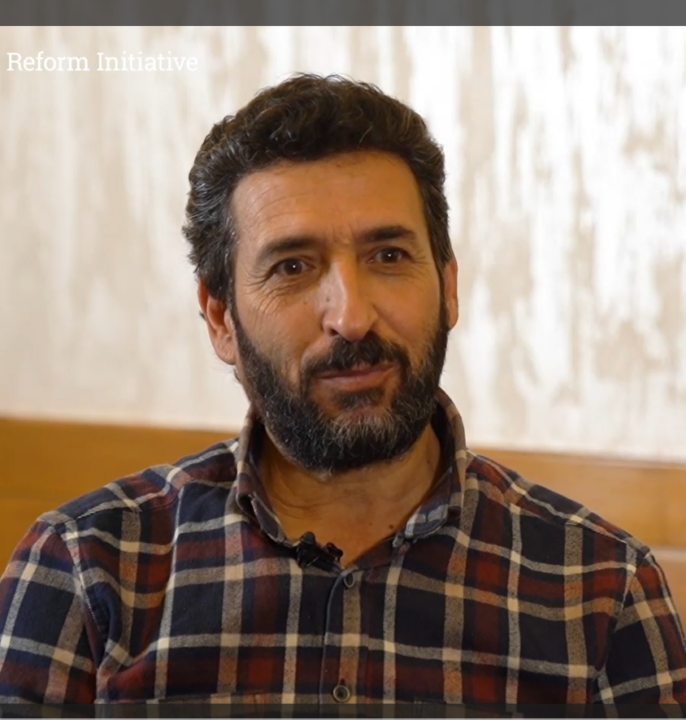
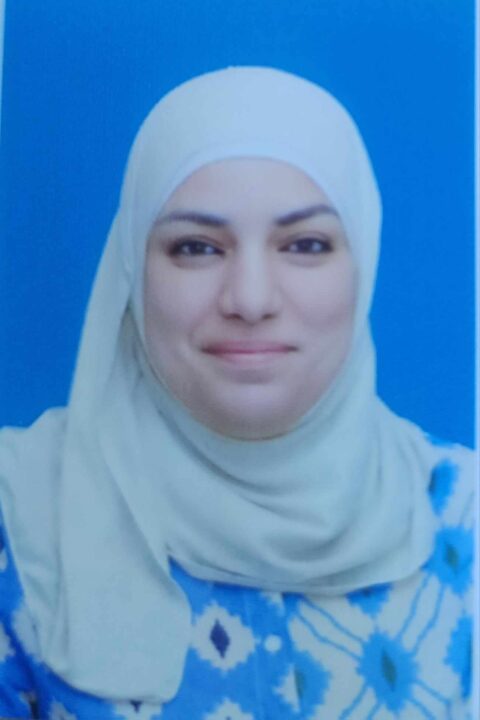
Organized by the Arab Reform Initiative and the Robert Bosch Stiftung, this webinar will focus on the impact of Israeli settlements and occupation on the West Bank, and will bring together a group of Palestinian activities, journalists and researchers, to discuss the following questions: how have Israeli settlement policies impacted land and water in the West Bank? How are those settlements an instrument of control and colonization? What can the international community do to support Palestinians in the West Bank? How has land and water appropriation by the Israelis impacted the life and work of Palestinian communities? How is this a steppingstone towards the ethnic cleansing of the Palestinian people? How is Palestinian control over their food and water resources a necessary condition for their liberation?