
Introduction: COP30 in a World on Fire

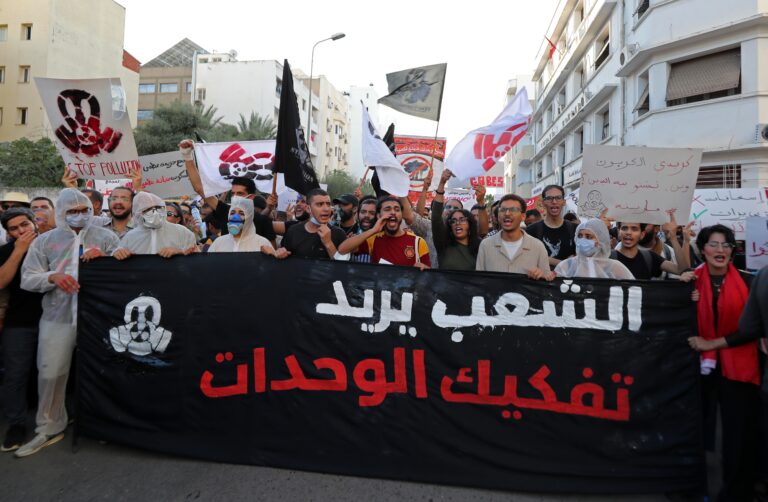
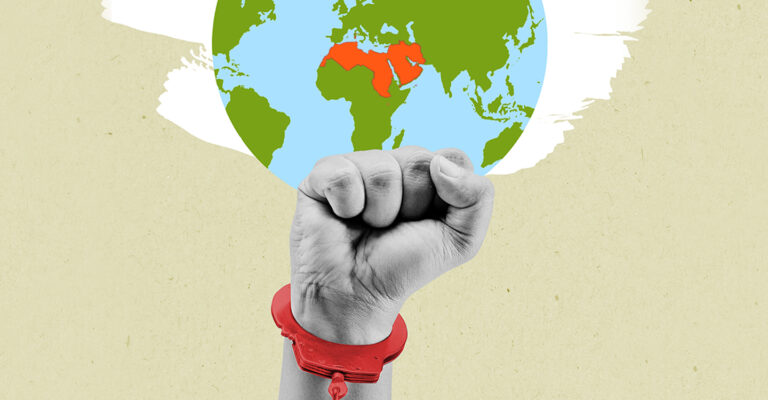
In a moment defined by profound global uncertainty—where war, displacement, authoritarianism, and climate collapse intensify—the Global South stands not as a passive observer but as the frontline of devastation and environmental degradation. Our region bears the scars of histories of occupation, militarization, inequitable development, and extractive policies that continue to shape whose lands are sacrificed, whose resources are seized, and whose futures are deemed disposable.

As COP30 convenes in Belém, a region whose ecosystems sustain the planet, ARI carries with it the weight of communities that have survived famine, drought, occupation, state violence, and resource extraction. These are communities that continue to resist the compounded violence of environmental destruction and political injustice—while asserting their right to dignity, equity, and self-determination.

“The Global South is not a passive witness to climate collapse; it is the frontline of extraction, dispossession, and resistance.” - Sarine Karajerjian

“A just transition begins by confronting the structural violence that burdens vulnerable nations and rewards polluters.”- Nadim Houry

As always, we do not work alone. We are closely collaborating with the Knowledge Alliance for Environmental Defenders (KALLIED), a community of practice that brings together 9 initiatives from the Global South through knowledge exchange and collaboration, to strengthen our collective voice as we advocate for climate action that is rooted in dignity, justice, and freedom.

See joint statement by the KALLIED alliance.

Download it here and help us in spreading the message!

Why Justice Must Be at the Center of COP30

A just transition cannot take shape without confronting the structural inequalities embedded in global finance:

  • the indebtedness of the Global South,
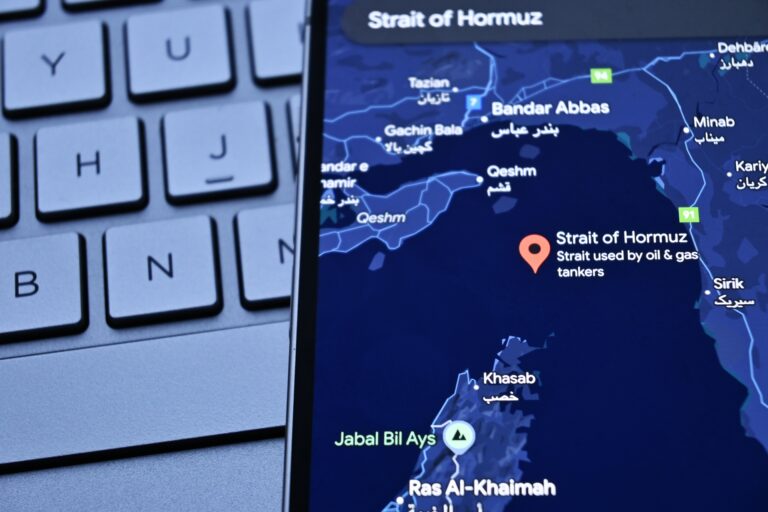
  • the militarisation of economies,
  • financial architectures that protect polluters while pushing vulnerable nations toward impossible costs,
  • and climate policies that privilege markets over people.

COP30, held in the Amazon and hosted by a country with vibrant social movements and a renewed climate agenda, was expected to break from the legacy of previous COPs. Yet the negotiations risk reproducing familiar patterns—insufficient ambition, fragmented commitments, and funding mechanisms shaped more by geopolitical considerations than by justice.

ARI affirms that the path forward must be grounded in dignity, equity, and the self-determination of those whose territories and bodies have long been rendered extractable.

Why ARI Is at COP30

Our presence in Belém marks three consecutive years of engagement in global climate negotiations, and builds on our extensive, grounded work with local communities across the MENA region.

We are at COP30 to:

  • Champion a just transition across the MENA region.
  • Ensure the lived experiences and priorities of local communities are not overshadowed by geopolitical agendas.
  • Strengthen the participation of youth, municipalities, CSOs, researchers, and frontline communities in global climate governance.
  • Advocate for climate finance frameworks that acknowledge political and economic fragility, conflict, and inequalities.
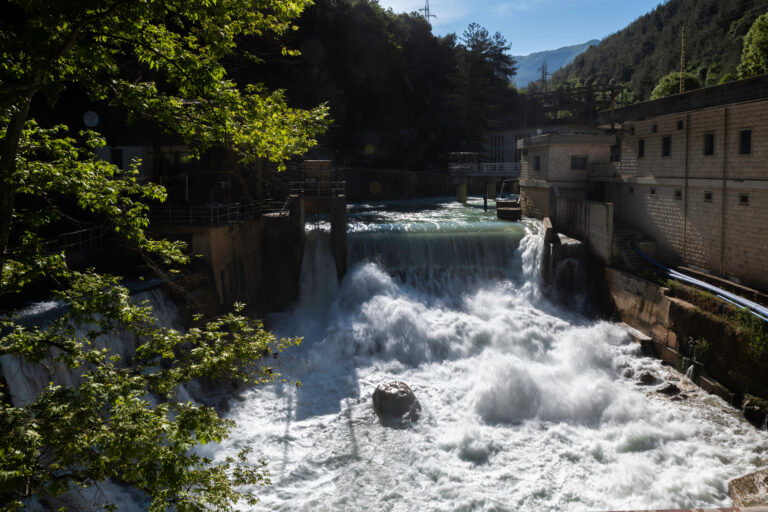
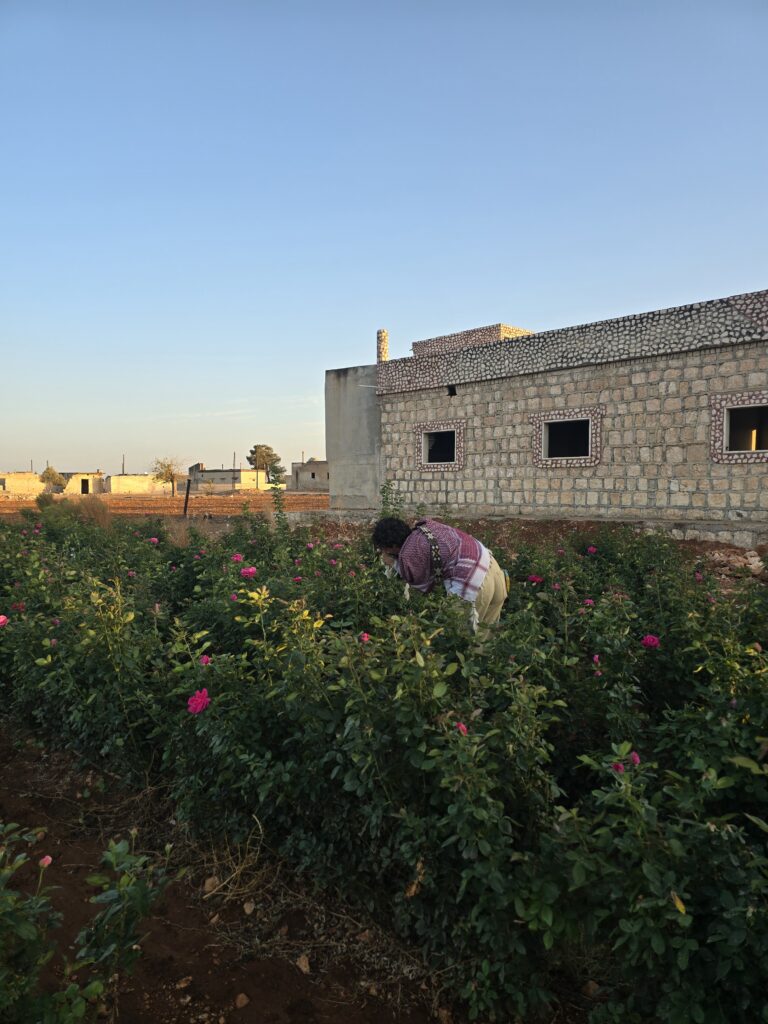
  • Elevate the demands for environmental justice around energy, water, and food, especially in regions facing occupation, conflict, and ecological collapse.

Our Regional Footprint

Across Lebanon, Tunisia, Egypt, Jordan, Algeria, Morocco, Yemen, Palestine, and Iraq, ARI works directly with:

  • municipalities,
  • civil society organizations,
  • youth groups,
  • syndicates,
  • universities,
  • grassroots and community-led environmental initiatives.

Our goal is clear: climate action grounded in justice, rooted in lived realities, and shaped by those who experience the consequences of environmental and political crises.

Building a Continuum Across Three COPs

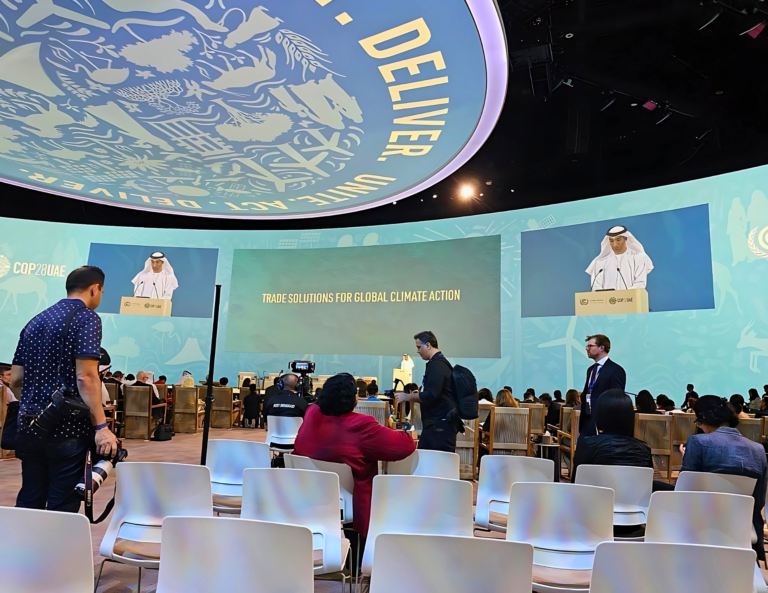
Our engagement at COP28 (Dubai), COP29 (Baku), and now COP30 (Belém) reflects a strategic and evolving trajectory:

At COP28, we established:

  • The need to amplify the environmental challenges of the MENA region.
  • The centrality of Just Environmental Transition (JET).
  • The responsibility to bring grassroots voices into global climate debates.

At COP29, we advanced:

  • Stronger regional advocacy for equitable climate finance;
  • Focus on youth participation in climate negotiations;
  • Calls for a transformative New Collective Quantified Goal (NCQG) that responds to real needs, not symbolic figures;
  • Framing climate change within overlapping crises of conflict, displacement, and socio-economic instability.

At COP30, we are building on this momentum to:

  • Connect the legacies of extraction in the Amazon and MENA.
  • Insist on climate justice that includes conflict-affected, indebted, and politically marginalized states.
  • Strengthen long-term coalitions between MENA, Latin America, and other Global South regions.
  • Center the agency of local communities as full political actors, not beneficiaries of externally defined agendas.

ARI’s Strategic Objectives at COP30

1. Reframing Climate Governance Through Justice

We push for a paradigm that goes beyond carbon accounting—towards accountability, reparations, and systemic change.

2. Securing an Equitable Climate Finance Architecture

We advocate for finance mechanisms that are:

  • fair,
  • transparent,
  • accessible to fragile and conflict-affected countries,
  • and designed to meet the actual adaptation and resilience needs of local communities.

3. Elevating Grassroots & Youth Voices

We ensure policy debates integrate the priorities of youth from marginalized regions, especially those navigating structural inequalities, displacement, and economic precarity.

4. Strengthening Regional Expertise & Coalitions

We build alliances with civil society, researchers, and movements across the Global South to challenge extractive climate models.

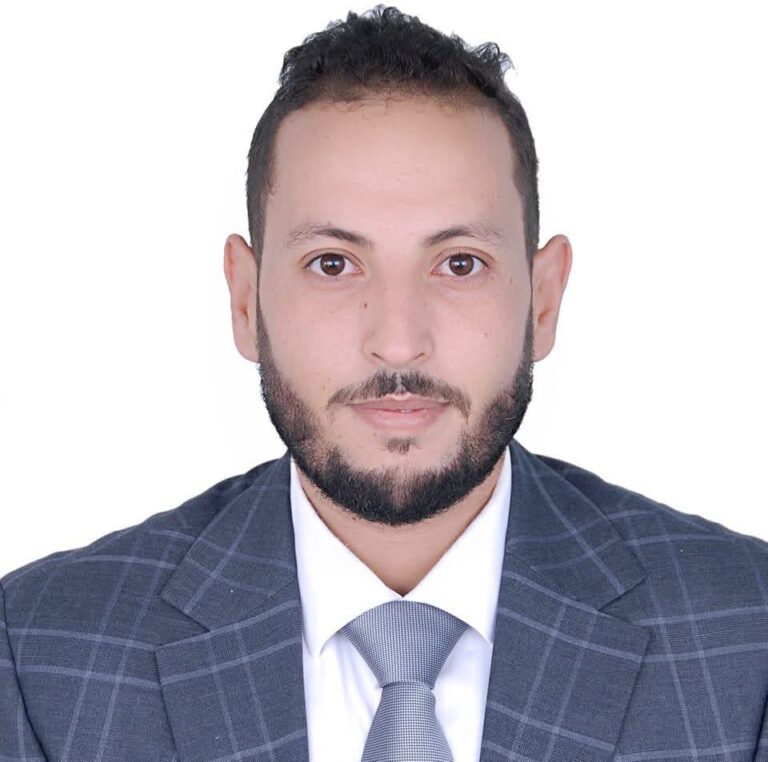
Our Presence at COP30: Meet the ARI Team

Join Us at COP30

Whether you are:

  • a journalist seeking grounded analysis,
  • a researcher working on climate justice,
  • a youth advocate from the region,
  • or a partner organization interested in environmental governance,

ARI welcomes collaboration throughout COP30.

Please contact:

Closing Statement

As negotiations unfold in Belém, ARI stands with communities whose struggles against environmental, political, and economic injustices continue to shape the future of this planet. A just transition is not a technical process—it is a political demand rooted in histories of resistance.

We are in COP30 to ensure that the Global South speaks not from the margins, but as the core of global climate transformation.