




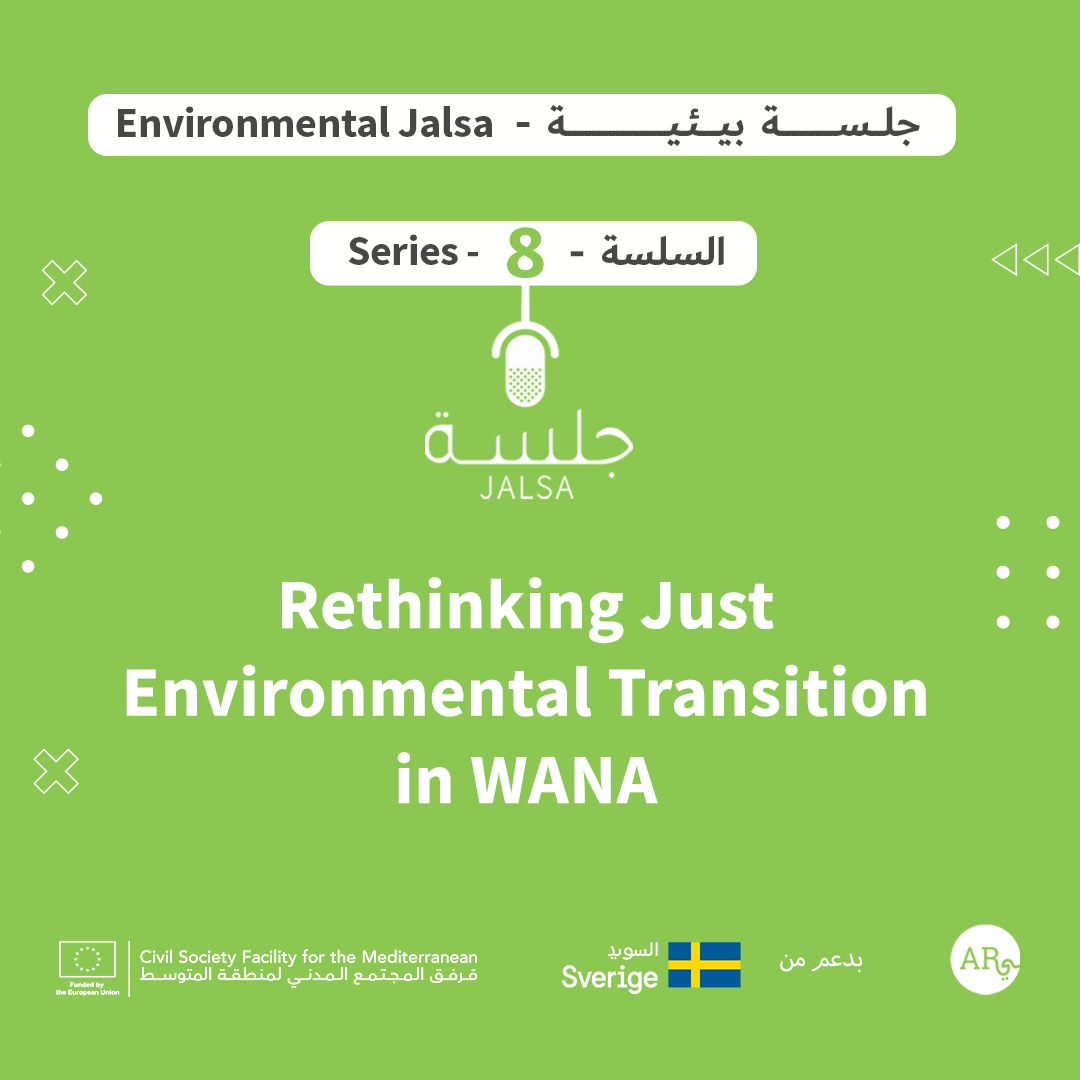
Series # 8
Environmental Jalsa
Episodes
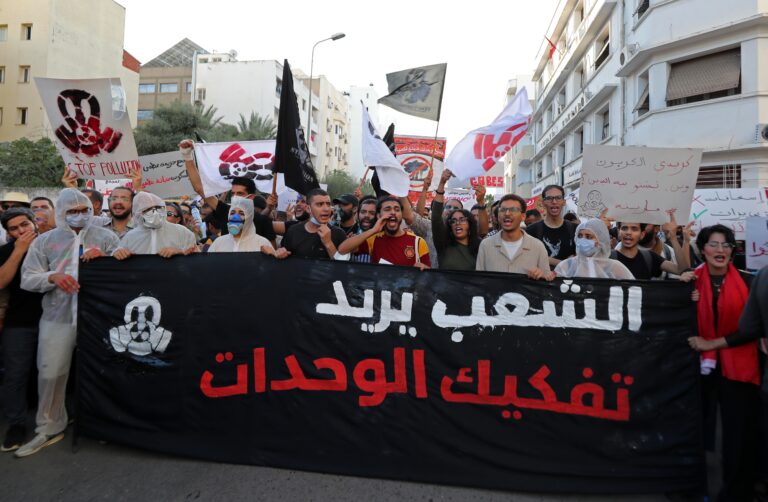
- Episode 1 -From International Frameworks to Local Realities: Rethinking Just Environmental Transition in WANA
The concept of a Just Environmental Transition is central to global climate policies, but its implementation in the WANA region reveals a striking gap between international frameworks and local realities.
In this episode, we are joined by:
- Mohamed Kamal, Executive Director, Greenish Foundation.
- Hanen Keskes, Political Campaigns Lead, Greenpeace MENA:
- Sarine Karajerjian, Environmental Politics Program Director, Arab Reform Initiative
Together, we examine how civil society actors in WANA are reshaping the idea of justice in response to systemic inequalities, energy crises, and governance failures. We spotlight case studies from Lebanon and Tunisia, explore why international commitments often fall short, and discuss pathways to make justice and equity central to environmental transitions.
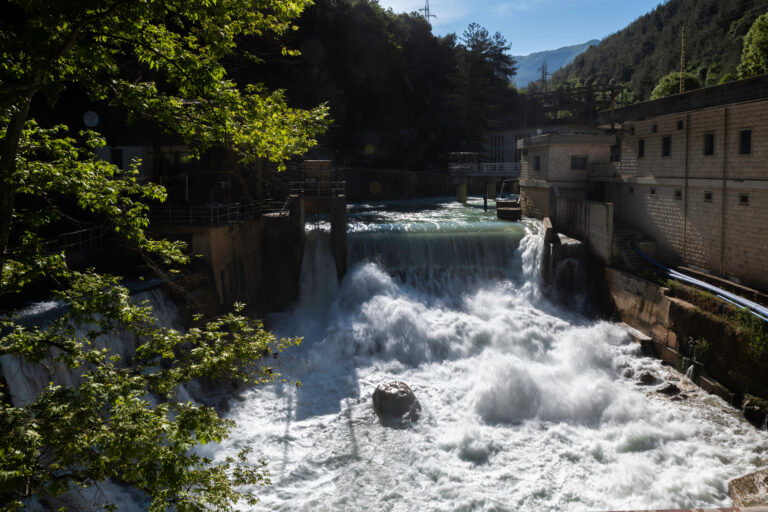
50:28 - Episode 2 -Water Justice and Governance in WANA
In the second episode of the Environmental Jalsa podcast, hosted by journalist Chrystine Mhanna, we discuss how water governance in Lebanon, Tunisia, and Morocco affects justice and leads to conflict and marginalization of vulnerable groups.
Our guests Dana Abi Ghanem and Yasser Souilmi share their visions and approaches for achieving equitable water distribution, reminding us that water is not just a resource, but a basic human right.
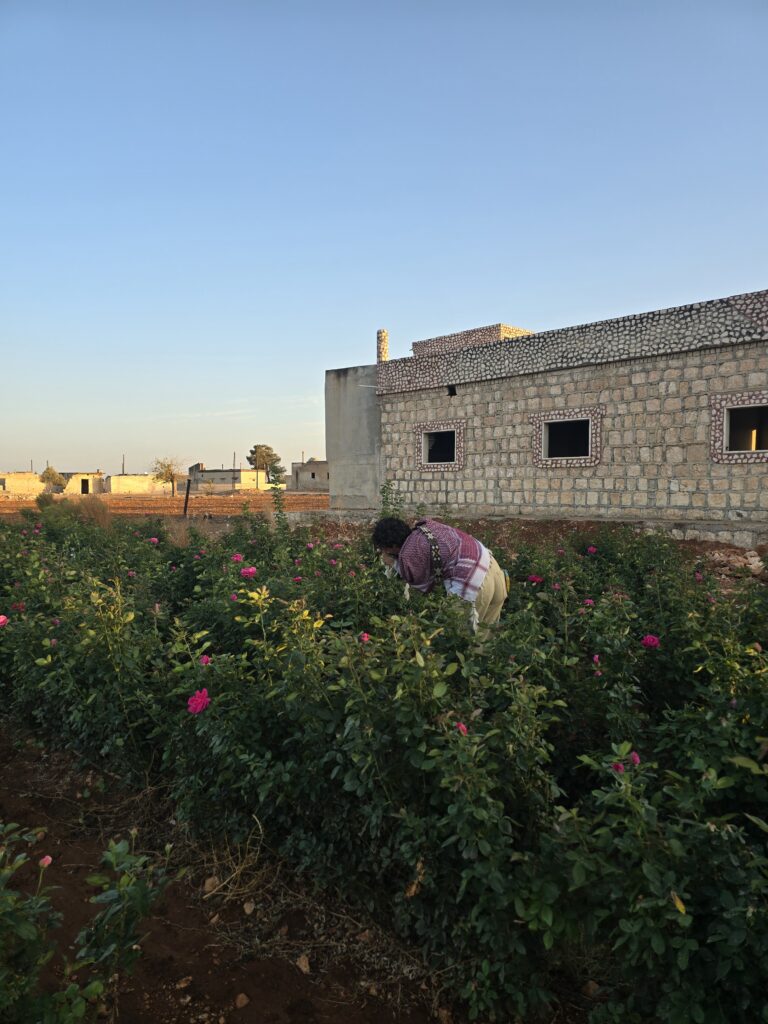
53:40 - Episode 3 -Food Sovereignty in WANA, Building Resilience Across Borders
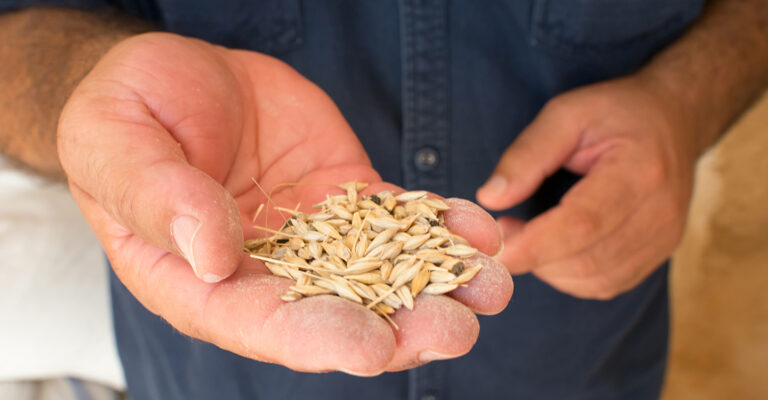
Food sovereignty is an increasingly urgent concern in the WANA region, where reliance on imported foods, climate stress, unsustainable water use, and land grabs threaten the stability and justice of local food systems.
In this episode, we are joined by Julia Choucair Vizoso, Senior Researcher at the Arab Reform Initiative, and Imen Louati, Researcher and Agroecologist from Tunisia.
Together, we explore the historical and structural roots of food dependency, the impact of trade liberalization and state-level agricultural policies, and the role of conflict in degrading farmland and local food systems. We also spotlight community-led initiatives in #Tunisia, #Lebanon, and #Morocco that are building alternative food futures through agroecology, seed saving, and cooperative farming.
🎧 Tune in to Episode 3 of our podcast series: Rethinking Just Environmental Transition in WANA.
#FoodSovereignty #WANAregion #Agroecology #SustainableAgriculture #LocalFarming #FoodJustice
45:38 - Episode 4 -Renewable Energy in WANA, Opportunities and Inequalities
Renewable energy is often celebrated as a pathway to sustainability and economic growth, but who truly benefits from the green transition in West Asia and North Africa?
In this episode, we are joined by:
- Yasmina El Amine, PhD Candidate and Research Consultant
- Diana El Kaissi, Energy Governance Specialist
We explore how large-scale renewable energy projects in countries like Lebanon and Tunisia can exacerbate inequalities, leaving rural and marginalized communities behind. From the solar sector challenges in Lebanon during 2023–2024 to Tunisia’s energy infrastructure in regions such as Gabes, Tozeur, and Tataouine, we examine how activists and communities are working toward equitable and resilient energy systems.
1:00:22 - Episode 5 -Conflict and Its Impact on Environmental Activists
How do we protect our land while struggling to survive?
In Lebanon and Syria, environmental struggles have not stopped—despite bombings, displacement, and repression. In Syria, activists face growing challenges under the regime, while war has devastated the country’s lands and resources. In Lebanon, successive crises—from the Beirut port explosion to economic collapse—have obstructed environmental action and reform.
In Episode 5 of Jalsa Bi’iya, we explore the realities of environmental activism in Syria and Lebanon, and the future opportunities for achieving true environmental reform.
53:50 - Episode 6 -Resilience Under Fire: Stories from South Lebanon and Beyond
In Episode 6 of Environmental Jalsa, Dr. Munira Khayyat and Naila Chemali take us on a journey through South Lebanon to explore resilience in the face of decades of war, occupation, and environmental devastation. From farming amid mines to rebuilding homes and reclaiming land, they share stories of survival, hope, and local knowledge driving a just recovery.
This episode reflects on what a fair and sustainable environmental transition could look like across the MENA region, showing that justice, equity, and healing are possible even in the shadow of conflict.
#EnvironmentalJustice #SouthLebanon #ClimateRecovery #JustTransition #EnvironmentalActivism
40:24 - Episode 7 -Justice Under Occupation: Palestine’s Environmental Struggles
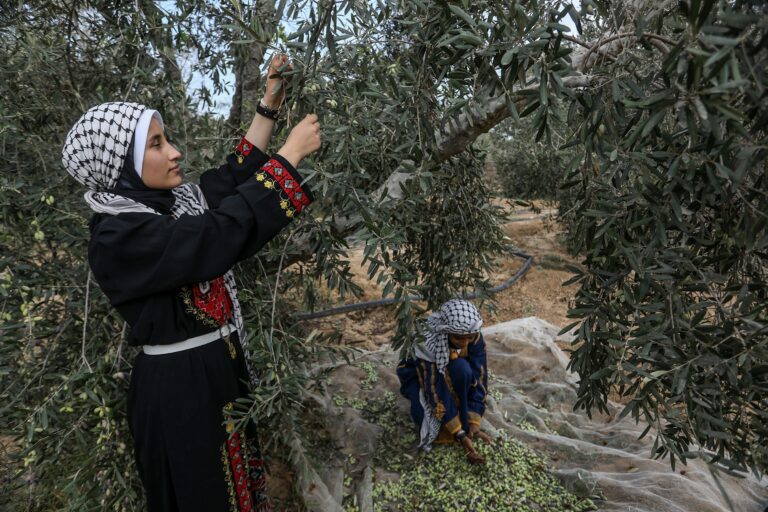
In Episode 7 of Environmental Jalsa, Abeer Butmeh and Abdalaziz Al-Salehi guide us through Palestine’s environmental struggles, where justice is inseparable from freedom and sovereignty. From restricted access to water and land to the destruction of ecosystems, they reveal how grassroots resilience, land restoration, and climate activism are acts of resistance under occupation. This episode calls for a just environmental transition in Palestine, grounded in decolonization, reparations, and global solidarity.
51:56
Description
Amid ongoing conflicts and wars that shape daily life across West Asia and North Africa, how can we speak of reform and the environment in a way that reflects people’s realities—without falling into the trap of “green” colonialism?
Environmental Jalsa, the eighth season of the Jalsa podcast, takes up this challenge in a seven-episode series hosted by Lebanese journalist Chrystine Mhanna. Together with voices from across the region, the series examines water and food security, threatened and seized lands, and the struggles of farmers and communities facing failing policies and environmental disasters.
The conversations move from global environmental accords and their ability to capture local realities to the villages and towns of Lebanon, Tunisia, Syria, Morocco, and beyond. They ask how resources can be shared fairly, how local communities can shape sustainable solutions, and how war and occupation transform the land itself—while exploring the possibilities of cross-border solidarity and a more just future.
Environmental Jalsa offers a thoughtful Arabic perspective on water justice, food sovereignty, and a fair energy transition, insisting that the environment is a lived political issue and that environmental justice begins with people and their power to imagine and build a better tomorrow.