





On 13 April, Algerian President Tebboune chaired a conference gathering the main economic actors of the country, including ministers, private-sector stakeholders, representatives of international partners, and heads of national companies and administrative entities.1Algerie-Eco, “Le président Tebboune préside la rencontre nationale avec les opérateurs économiques”, 13 April 2025, available at https://algerie-eco.com/2025/04/13/le-president-tebboune-preside-la-rencontre-nationale-avec-les-operateurs-economiques/. The event underlined 2025 as “the year of economic success” and outlined special announcements on the government’s economic strategy. From economic diversification to job creation, the conference reiterated a roadmap similar to the promises of the 2024 presidential campaign.2Zahra Rahmouni, “What challenges will Algerian President Tebboune face in his second term?”, Al Jazeera, 17 September 2024, available at https://www.aljazeera.com/news/2024/9/17/what-challenges-will-algerian-president-tebboune-face-in-his-second-term. Capitalizing on the pro-industrial reforms that shaped his first term from 2019 to 2024, Tebboune’s second and last term will focus on transforming these policies into measurable economic impact both for average citizens and the country’s macroeconomic indicators.
While promises of strengthening industrial activity and including youth in development appear to be economically motivated, they are also a response to domestic shifts and financial priorities. The current leadership is distancing itself from the doctrine of massive and unregulated imports and moving toward a model that prioritizes local production and industrial and technological innovation. In that context, the Tebboune administration is determined to safeguard foreign exchange reserves and consolidate both the state’s social and protectionist nature and its interventionism in market irregularities to avoid public discontent and upheavals fueled by socioeconomic grievances. In its attempt to shake up the national economy, the government is investing massively in infrastructure projects and social welfare measures, resulting in a re-organization of economic elites at the expense of old bureaucratic and financial lobbies.
However, this domestic agenda is faced with a rigid and slow-paced local ecosystem and a turbulent geopolitical context. The establishment’s big investment plans and pursuit of international partnerships will inevitably be challenged by geopolitical forces and the worries of investors.
It is still early to hold a final verdict on the success or failure of Tebboune’s economic vision, even if signs of complications are emerging, and as Algeria remains in a state of flux. However, the current leadership marks an end to a former economic and sociopolitical doctrine. Since its arrival, the Tebboune administration has adopted a shock therapy approach to economic revival, building a sovereigntist development vision through radical means and breaking with the Bouteflika-era economy of unrestricted and costly imports. However, adapting these domestic reforms to Algiers’ traditional foreign policy is proving complicated. It is safe to say, though, that Bouteflika’s Algeria on the economic and foreign policy levels is not coming back, even if what is next is still unclear.
Domestic strategy and challenges
Since the first term of President Tebboune, the economy has played a central role in his rhetoric and policies. Socioeconomic grievances, including the unsustainable hydrocarbons-focused economic model and lack of opportunities for youth, constituted key drivers of the Hirak protest movement that toppled President Abdelaziz Bouteflika. The Tebboune administration, and overall establishment, understood that without addressing these grievances, the current leadership would be hostage to an unstable domestic situation with the threat of another protest movement. As part of his second term’s campaign throughout the summer of 2024, Tebboune capitalized on promises of economic development and defended his legacy. This strategy is based on legitimate concerns about the rise of socioeconomic grievances and the centrality of citizens’ day-to-day challenges, which may transform into political demands. In fact, food crises,3Algerie Focus, “Révélations Choc : Corruption Soupçonnée derrière les Pénuries Alimentaires en Algérie”, 28 July 2024, available at https://www.algerie-focus.com/revelations-choc-corruption-soupconnee-derriere-les-penuries-alimentaires-en-algerie/. considered by the government to be the result of market speculations,4Algeria Press Service, “Président de la République : les “résidus de la Issaba” ont provoqué la pénurie des produits alimentaires”, 25 December 2023, available at https://www.aps.dz/algerie/164463-president-de-la-republique-les-residus-de-la-issaba-ont-provoque-la-penurie-des-produits-alimentaires-pour-demoraliser-les-citoyens. remain a key concern for average citizens.
The domestic vision of President Tebboune is, therefore, characterized by three main dynamics: pro-industrial reforms and increasing public expenditures, legalistic solutions to economic and commercial issues, and investment in youth and diaspora projects. The current leadership believes that these measures will help move the Algerian economy into a renewal phase and encourage economic growth based on production, innovation, and the fight against corruption and market irregularities. While the mobilization of youth and diaspora energies, along with government financing of economic projects, shows the leadership’s desire to empower development efforts, bureaucratic and institutional interventionism in market dynamics constitutes a continuation of previous methods and risks undermining the capacity of private actors to operate.
Money and reforms for industrial revival
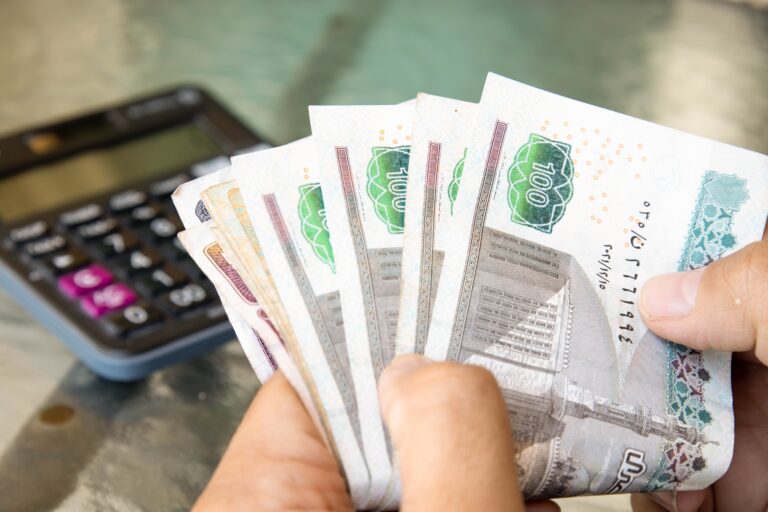
In December, the Algerian government approved the largest budget in the country’s history, amounting to USD 135 billion for 2026,5Ali Idir, “ PLF 2026 : l’Algérie adopte un budget ‘record’ de 135 milliards $”, Tout sur l’Algérie, 4 December 2025, available at https://shorturl.at/4sQjh. marking a sharp increase compared to previous budgets, including the USD 65 billion finance bill of 2021.6Wejden Jlassi, “Algérie: Le projet de loi de finances 2021 approuvé à la majorité”, Anadolu Agency, 26 November 2020, available at https://www.aa.com.tr/fr/afrique/alg%C3%A9rie-le-projet-de-loi-de-finances-2021-approuv%C3%A9-%C3%A0-la-majorit%C3%A9/2057243. This decision confirmed a trend that has shaped Algerian authorities’ public expenditures since the COVID-19 era. In an effort to boost different industries and create jobs, successive governments have launched several mega infrastructure projects, amounting to USD 50 billion in public investments.7Nabil M., “50 projets à 50 milliards $”, L’Algérie d’Aujourd’hui, 9 June 2025, available at https://lalgerieaujourdhui.dz/50-projets-a-50-milliards/. These projects, implemented by private national and foreign contractors, range from railway networks in remote areas8Tout sur l’Algérie, “En visite à Béchar, le président Tebboune inaugure plusieurs projets vitaux”, 24 April 2025, available at https://www.tsa-algerie.com/en-visite-a-bechar-le-president-tebboune-inaugure-plusieurs-projets-vitaux/. to water desalination centers.9Ramdane Kebbabi, “Le président Tebboune a inauguré hier la station de dessalement de Cap Djinet à Boumerdès : ‘ Nous avons créé une école algérienne…’”, El Watan-dz, 12 March 2025, available at https://elwatan-dz.com/le-president-tebboune-a-inaugure-hier-la-station-de-dessalement-de-cap-djinet-a-boumerdes-nous-avons-cree-une-ecole-algerienne. Together, they represented almost 4% growth for the public industrial sector in 202410National Office of Statistics, “Indice de la production industrielle -au 4eme trimestre 2024”, 2025, available at https://www.ons.dz/IMG/pdf/I.IPI4T2024.pdf. and responded to the population’s demands for dignified employment, as well as the need to foster integration between national economic zones.
More broadly, the government also hopes to attract international investments. To highlight project viability before hesitant international partners and a global decrease in development aid, most projects are currently funded through public resources. This, in part, explains the steady expansion of the finance bill in the past few years, as well as the budget deficit, which is expected to reach USD 61 billion in 2025.11Abderrahmane Mebtoul, “Loi de finances 2025 : Quel est l’impact du déficit budgétaire”, La Sentinelle, 6 January 2025, available at https://lasentinelle.dz/index.php/2025/01/06/loi-de-finances-2025-quel-est-limpact-du-deficit-budgetaire/. This deficit translates into 21% of Algeria’s gross domestic product,12Ali Benyahia, “ Prédominance de la dette interne, selon le PLF-2025 : Zoom sur l’évolution de la dette en Algérie”, El Watan-dz, 16 October 2024, available at https://elwatan-dz.com/predominance-de-la-dette-interne-selon-le-plf-2025-zoom-sur-levolution-de-la-dette-en-algerie. estimated at USD 278 billion in 2025 13Hana Saada, “IMF: Algeria Rises to Become Africa’s Third Largest Economy in 2025”, Dzair-Tube, 2 June 2025, available at https://www.dzair-tube.dz/en/imf-algeria-rises-to-become-africas-third-largest-economy-in-2025/. and expected to rise to around USD 308 billion by 2027.14Algerian Ministry of Finance, “Loi de finance 2025”, 26 December 2024, available at https://www.mf.gov.dz/images/pdf/loidefinance/Loi_de_finance_2025_FR.pdf. In this context, the National Fund for Development Equipment, the administrative body within the Ministry of Finance responsible for large-scale public investments, is preparing a draft law on public-private partnerships15Rym B., “L’Algérie un chantier à ciel ouvert : 50 ‘mégas projets’ pour 50 milliards de dollars!”, Just Info DZ, 7 June 2025, available at https://just-infodz.com/lalgerie-un-chantier-a-ciel-ouvert-50-megas-projets-pour-50-milliards-de-dollars/. aimed at alleviating the financial cost on the public treasury by including private-sector participation.
Infrastructure projects in Algeria are one piece of the overall pro-industrial governmental policies. President Tebboune sought to position himself as an anti-bureaucracy and pro-reforms leader through investment statements and policies. Several laws on simplifying investment procedures,16Algeria Press Service, “Le Président Tebboune ordonne la création du guichet unique de l’investissement avant fin septembre”, 11 September 2022, available at https://www.aps.dz/economie/144611-le-president-tebboune-ordonne-la-creation-du-guichet-unique-de-l-investissement-avant-fin-septembre. attracting direct foreign investments, and improving the business environment17Les Enjeux Eco, “Assemblées de la BID : L’amélioration du climat des affaires en Algérie soulignée”, 20 May 2025, available at https://shorturl.at/nS3uc. were introduced between 2019 and 2023. Additionally, a one-stop shop was established within the Algerian Investment Promotion Agency (AAPI) to facilitate and streamline the authorization process for foreign investors.18https://law.asia/algeria-new-investment-law/ However, the implementation of these regulations and the efficiency of public administration remain a serious challenge. In addition, investors still find it difficult to navigate the local ecosystem, engage with stakeholders, and manage the slow-pacing administrative environment in smaller regions. To address this, President Tebboune announced in April the establishment of two ministerial positions for domestic and foreign trade19Tout sur l’Algérie, “Algérie : Tebboune met fin aux fonctions du ministre du Commerce extérieur”, 14 April 2025, available at https://www.tsa-algerie.com/algerie-tebboune-met-fin-aux-fonctions-du-ministre-du-commerce-exterieur/. and the dismantlement of ALGEX,20Madjid Makedhi, “Guichet unique, fin de l’ALGEX, exportations, industrie et banques : Ce que le président Tebboune a dit aux opérateurs”, El Watan-dz, 14 April 2025, available at https://elwatan-dz.com/guichet-unique-fin-de-lalgex-exportations-industrie-et-banques-ce-que-le-president-tebboune-a-dit-aux-operateurs. an administrative body created in 2004 and notorious for its barriers that curb and delay import permits and operations. While these reforms are steps in the right direction, their impact will not be immediate, which means some governance issues will continue to persist.
State intervention in the market
Since the end of the Covid-19 crisis, the government has engaged in reforms to alleviate crises affecting Algerians’ daily lives, such as food shortages and difficult purchasing power. Measures included increasing wages,21Algeria Press Service, “Le président de la République réaffirme son engagement à poursuivre l’augmentation progressive des salaires et de l’allocation chômage”, 23 March 2025, available at https://www.aps.dz/societe/184493-le-president-de-la-republique-reaffirme-son-engagement-a-poursuivre-l-augmentation-progressive-des-salaires-et-de-l-allocation-chomage. tax exemptions for disadvantaged citizens and for essential goods22Fatma Bendhaou, “Algérie: Gel ‘jusqu’à nouvel ordre des taxes et impôts sur les produits de consommation’”, Anadolu Agency, 14 February 2022, available at https://www.aa.com.tr/fr/afrique/alg%C3%A9rie-gel-jusqu%C3%A0-nouvel-ordre-des-taxes-et-imp%C3%B4ts-sur-les-produits-de-consommation/2501842. and limited imports23Radio Algérienne, “Ramadhan : programme exceptionnel pour l’importation de viandes rouges et blanches”, 24 December 2024, available at https://news.radioalgerie.dz/fr/node/57241. for products deemed urgently necessary for market stabilization. The government’s approach is also centered on radical measures to serve other financial and industrial goals. Following the oil price crash of 2014, the Algerian authorities ended in 201524Algerian presidency, executive decree number 15-306 issued on 6 December 2015, available at https://www.dcwbiskra.dz/images/stories/Documents/textes_dictionnaire/de15306arjo66.pdf. a decades-long open-door trade policy by establishing restrictions on imports of consumer and industrial products.25Djamila Ould Khettab, “Algérie : coup de frein dans les importations”, Jeune Afrique, 22 December 2017, available at https://www.jeuneafrique.com/504962/economie-entreprises/algerie-coup-de-frein-dans-les-importations/. The former Bouteflika rule was fixated on reducing the trade deficit, safeguarding the depleting foreign exchange reserves, and prioritizing national products.
The Tebboune administration continued with the same policy, on a much larger scale, extending it across all sectors, as his successive governments expanded the list of import bans26Algeria Press Service, “Produits de large consommation : le Président Tebboune interdit l’exportation des produits importés”, 13 March 2022, available at https://www.aps.dz/economie/137023-produits-de-large-consommation-le-president-tebboune-interdit-l-exportation-des-produits-importes. based on the availability of equivalent domestic products. Senior policy makers embraced and amplified this policy of import bans, believing that pushing average citizens into consuming local products due to the lack of imported alternatives would assist in developing local brands. The current leadership accelerated the process of replacing foreign products with local brands by introducing a shock element into the market, an approach that Bouteflika and his oligarchy-dominated entourage had avoided, preferring a gradual and limited replacement, not to undermine the power of import lobbies and disrupt the prices. Consequently, Algeria was able to reduce its import bill to around USD 40 billion27Radio Algérienne, “Président de la République : l’Algérie déterminée à rejoindre le rang des pays émergents d’ici 2027”, 13 April 2025, available at https://shorturl.at/Ri0NN. and restore its foreign exchange reserve to USD 72 billion by 2024.28Imene A., “Les réserves de change s’élèvent à 72 milliards de dollars”, Algérie-Eco, 4 November 2024, available at https://algerie-eco.com/2024/11/04/les-reserves-de-change-selevent-a-72-milliards-de-dollars/.
To implement its strategy on imports, the government mobilized legal and ministerial resources. It has become increasingly common to see videos of Ministry of Commerce officials inspecting product availability and types of products in small supermarkets.29An example could be found here: https://shorturl.at/JL6kQ. Several business owners have received heavy fines and long prison sentences – reaching 30 years –30B. Habib, “30 ans de prison et même la perpétuité pour les spéculateurs. L’Etat veut frapper fort”, Le Carrefour d’Algérie, 25 April 2025, available at https://lecarrefourdalgerie.dz/2088-30-ans-de-prison-et-mme-la-perptuit-pour-les-spculateurs.-LEtat-veut-frapper-fort. for alleged commercial violations, including price speculation and market manipulation. These actions signal the current leadership’s readiness to rely on legal mechanisms to curb market irregularities.
While this policy may have benefited domestic products, it has also generated new challenges, notably the rise of undeclared small-scale importers and smuggling activities.31Lynda A., “Offensive anti-‘cabas’ déclenchée en Algérie : des saisies massives en moins de 24h!”, Algérie 360, 28 April 2025, available at https://www.algerie360.com/offensive-anti-cabas-declenchee-en-algerie-des-saisies-massives-en-moins-de-24h/. In response, customs authorities intensified their inspections at airports and ports, and strict limitations were imposed on travelers.32Ahmed O., “Aéroport d’Alger : La Douane déclare la guerre au commerce du cabas”, Voyages Algérie, 2 October 2023, available at https://voyages-algerie.com/2023/10/02/faits-divers/aeroport-alger-douane-declare-guerre-commerce-cabas/. Recently, the Council of Ministers approved a law to regularize clandestine and undeclared micro-importers –33Ali Idir, “Commerce du cabas : l’Algérie fixe les règles pour devenir petit-importateur”, Tout sur l’Algérie, 30 August 2025, available at https://www.tsa-algerie.com/commerce-du-cabas-lalgerie-fixe-les-regles-pour-devenir-petit-importateur/. mostly young entrepreneurs who bring goods from abroad via commercial flights. These actors constitute a key pillar of Algeria’s informal economy, which has grown to represent nearly a quarter of the GDP and around USD 60 billion in transactions.34Ernst and Young, “Shadow economy exposed”, March 2025, available at https://www.ey.com/content/dam/ey-unified-site/ey-com/en-gl/insights/tax/documents/ey-gl-shadow-economy-report-02-2025.pdf.
Youth and diaspora entrepreneurship
Since Tebboune’s first term, he has sought to position himself as a pro-youth leader and has invested political capital in engaging diaspora entrepreneurs. Different laws were enacted and public entities mobilized to support entrepreneurial activity among Algerians at home and abroad. These regulatory reforms included a special and simplified online access to trade registration for young entrepreneurs35Amina Aouadi, “Carte d’auto-entrepreneur : inscription, avantages et conditions d’éligibilité”, Algerie 360, 13 February 2024, available at https://www.algerie360.com/carte-dauto-entrepreneur-inscription-avantages-et-conditions-deligibilite/. with preferential tax regimes,36Nahla Hartani, “Les avantages du statut d’auto-entrepreneur : focus sur la récente loi Algérienne 22-23”, Village de la Justice, 15 March 2024, available at https://www.village-justice.com/articles/les-avantages-statut-auto-entrepreneur-focus-sur-recente-loi-algerienne,49162.html. advantageous financing mechanisms37Al Baraka Bank, “Un soutien financier novateur pour les Auto-Entrepreneurs en Algérie : Al Baraka Banque d’Algérie lance son nouveau produit, le ‘ ompte Courant Ra’id’”, 6 May 2024, available at https://www.albaraka-bank.dz/un-soutien-financier-novateur-pour-les-auto-entrepreneurs-en-algerie-al-baraka-banque-dalgerie-lance-son-nouveau-produit-le-compte-courant-raid/. for equipment, and inclusion in social security schemes.38Zina Yacoub, “Le nouveau statut juridique de l’auto-entrepreneur en Algérie”, Comparative Law Review of Labour and Social Security, 1, pages 164-167, April 2023, available at https://journals.openedition.org/rdctss/5471. Ministries also launched awareness campaigns targeting youth and the diaspora communities to encourage their participation in national development plans.39Damy Rahman, “Investissements : L’Algérie offre des incitations fiscales et financières pour la diaspora”, ObservAlgérie, 20 April 2025, available at https://observalgerie.com/2025/04/20/economie/lalgerie-incitations-fiscales-et-financieres-diaspora/. As a result, the number of fully operational startups in the Algerian market rose from 200 in 2019 to around 700 in 2024,40Hana Saada, “President Tebboune Vows Creation of 20,000 Startups by End of Mandate, Positions Algeria as a Rising Innovation Hub”, Dzair Tube, 18 July 2025, available at https://www.dzair-tube.dz/en/president-tebboune-vows-creation-of-20000-startups-by-end-of-mandate-positions-algeria-as-a-rising-innovation-hub/. benefiting from nearly USD 1 billion across the different funding stages.41Tracxn, “Overview of startups in Algeria”, 3 June 2025, available at https://tinyurl.com/4z52u3ch.
Yet, the government strategy still suffers from a lack of trust and resistance from local bureaucratic elites. For instance, the Algerian Council for Economic Renewal has underlined delays in processing timelines for project approvals and a lack of responsiveness from the administration.42Yahia Maouchi, “Kamel Moula, président du CREA : ‘ La bureaucratie freine encore l’investissement malgré les réformes engagées»”, La Patrie News, 13 April 2025, available at https://lapatrienews.dz/kamel-moula-president-du-crea-la-bureaucratie-freine-encore-linvestissement-malgre-les-reformes-engagees/. Additionally, the place of these youth-driven small and medium enterprises within the local economic system remains constrained by Algeria’s rentier-based economic model and the dominance of energy-sector investments. Nonetheless, youth contribution, whose concrete impact will only become clear over time, is still a positive trend provided the authorities manage to attract and support more entrepreneurial initiatives. Failing this, the ongoing brain drain, which has already cost Algeria half a million of highly qualified engineers, doctors, researchers, and scientists and about USD 465 billion in wealth and scientific production,43Esseha Platform, “Fuite de cerveaux en Algerie depuis les années 2000 : des dizaines de milliers de médecins concernes”, 4 November 2021, available at https://esseha.dz/fuite-de-cerveaux-en-algerie-depuis-les-annees-2000-des-dizaines-de-milliers-de-medecins-concernes/. will persist.
International vision and impediments
Since independence, Algeria has sought to maintain a careful balance in its international partnerships. As a historic client of Russian weapons and a key energy supplier to Europe, Algiers also attracted significant Chinese investments and cultivated security ties with successive American administrations. Today, Algeria faces a challenging geopolitical juncture, with the rise of a new regional security order and the growing influence of middle powers, including the Gulf Cooperation Council countries and Türkiye. These shifts, combined with the rehabilitation of domestic political institutions and the economic landscape after the fall of Bouteflika, have shaped new paradigms for the country’s economic and foreign policy.
The Algerian establishment, composed of both civilian and military actors, is reassessing international partnerships according to three principles: diversification of partners, win-win agreements, and regional integration. Since 2019, President Tebboune has been assertive in reclaiming Algiers’ role in line with its revolutionary principles and building equal partnerships with foreign countries. It also remains a tradition for Algerian presidents to promise a reinvention of foreign policy as a strategy to consolidate and distinguish their legacy from predecessors. However, the current leadership’s pursuit of new cooperation mechanisms proves difficult in a world that is complex and increasingly transactional.
More partners for less alignment
The Tebboune leadership embraced economic cooperation as a means to avoid uncomfortable discussions with international partners in the wake of the Ukraine war while serving national developmental priorities. Since coming to office, Tebboune has placed economic diplomacy as the key foundation of Algeria’s relations with traditional partners –such as European capitals, Washington, Beijing, and Moscow – and emerging partners like Ankara and Doha. This diversification of partners has been crucial for Algiers’ international standing and its domestic economic diversification. For instance, multiplying partnerships was an argument to prove that Algeria does not belong to Russia’s camp despite the big arms deals. Since 2022, economic diplomacy has served as the most important tool for managing pressures on its geopolitical alignment without jeopardizing historical ties with powerful Western capitals. It has also opened doors for private investment in the automobile industry, renewable energy, and technology sectors, helping to respond to domestic development needs.
Algiers also capitalized on the Ukraine war by positing itself as a reliable energy supplier44La Libre, “Energie : Charles Michel salue en Algérie un partenaire “fiable” de l’Europe”, 5 September 2022, available at https://tinyurl.com/3p4e5sv8. to a Europe eager to reduce its dependence on Russian gas. With an economy largely based on oil and gas exports, the energy-sector stakeholders – in particular the Ministry of Energy, Mines and Renewable Energies, alongside Sonatrach and Sonelgaz – saw in European interest an opportunity to drive investments45Meriem Dalila Sadek, “Algeria’s Relationship with the European Union in Light of the Euro-Mediterranean Partnership”, Journal of Law, Society and Authority 14(1), pages 63-74, March 2025, available at https://asjp.cerist.dz/en/downArticle/153/14/1/264098. and boost Algeria’s share of European markets.46Belgacem Tahchi, “Algerian gas to strengthen energy security of the European Union: Policy, capacity and strategy”, Energy Reports 11, pages 3600-3613, June 2025, available at https://tinyurl.com/5n97ru2w. These sectoral stakeholders aim to address logistical constraints, including outdated and environmentally unsustainable infrastructure, by reducing carbon emissions, methane leaks, and gas flaring, aligning the sector with Algerian and European climate strategies. Multiple deals were signed with Italy,47Al Jazeera, “Italy signs energy deals with Algeria in bid to sidestep Russia”, 19 July 2022, available at https://www.aljazeera.com/news/2022/7/19/italy-signs-energy-deals-with-algeria-in-bid-to-sidestep-russia. Spain,48The Corner, “Naturgy finalises definitive price agreement with Sonatrach for gas supplies, retroactively for 2023, and for 2024”, 23 July 2024, available at https://thecorner.eu/news-spain/spain-economy/naturgy-finalises-definitive-price-agreement-with-sonatrac-for-gas-supplies-retroactively-for-2023-and-for-2024/115790/. France,49TotalEnergies, “Algérie : TotalEnergies renforce son partenariat avec Sonatrach dans le domaine du gaz naturel et l’étend aux énergies renouvelables”, 10 July 2023, available at https://totalenergies.com/fr/actualites/communiques-de-presse/algerie-totalenergies-renforce-son-partenariat-avec-sonatrach-dans. and Germany50Reuters, “Algeria’s Sonatrach to supply Germany with pipeline gas for first time”, 8 February 2024, available at https://www.reuters.com/business/energy/algerias-sonatrach-supply-germany-with-pipeline-gas-first-time-2024-02-08/. for gas procurement, technology transfer, reduction of emissions,51Algeria Press Service, “Algeria-Italy: Sonatrach, Eni sign two strategic agreements on gas and emission reduction”, 23 January 2023, available at https://www.aps.dz/en/economy/46471-algeria-italy-sonatrach-eni-sign-two-strategic-agreements-on-gas-and-emission-reduction. and the development of clean and renewable energies.52Reuters, “Italy, Germany, Austria, Tunisia and Algeria back hydrogen grid project”, 21 January 2025, available at https://www.reuters.com/markets/commodities/italy-germany-austria-tunisia-algeria-back-hydrogen-grid-project-2025-01-21/. Supply routes for natural and liquefied natural gas were expanded to other European countries,53Melisa Cavcic, “Sonatrach hands over first LNG cargo to Croatia and seals natural gas deal with Slovenian firm”, Offshore Energy, 29 May 2024, available at https://www.offshore-energy.biz/sonatrach-hands-over-first-lng-cargo-to-croatia-and-seals-natural-gas-deal-with-slovenian-firm/. actively competing with Norway and Russia, which have long dominated the EU’s energy market.54Francis Ghiles, “Algeria’s cautious return to the world stage”, Barcelona Centre for International Affairs, January 2023, available at https://www.cidob.org/en/publications/algerias-cautious-return-world-stage.
This rapprochement on energy cooperation motivated European capitals, like Rome, to explore avenues of investment in the automobile industry55Paul Myles, “Fiat to Establish Industrial Presence in Algeria”, WardsAuto, 20 October 2022, available at https://www.wardsauto.com/fiat/fiat-to-establish-industrial-presence-in-algeria. and agriculture.56AgenziaNova, “Algeria: Bf completes 0m agricultural project process”, 27 February 2025, available at https://www.agenzianova.com/en/news/algeria-bf-conclude-iter-per-progetto-agricolo-da-420-milioni-di-dollari/. Italy’s engagement encouraged other European and regional partners to follow suit. For instance, Türkiye occupies today a major place as a trade partner, with a USD 6 billion investment57Hana Saada, “Algeria, Turkey Deepen Strategic Partnership as Trade Volume Hits Unprecedented Billion”, Dzair-Tube, 21 April 2025, available at https://www.dzair-tube.dz/en/algeria-turkey-deepen-strategic-partnership-as-trade-volume-hits-unprecedented-6-billion/. across textile, mines, agriculture, and chemical and pharmaceutical products. Türkiye is the fourth-largest importer for Algeria, accounting for 7% of Algerian imports.58Statista, “Algeria: Main import partners”, https://www.statista.com/statistics/441261/most-important-import-partners-of-algeria/ Qatar also became a significant economic partner, contributing USD 3.5 billion in investment in dietary products59Andy Sambidge, “Baladna lines up .5bn Algerian dairy venture”, Arabian Gulf Business Insight, 29 April 2024, available at https://www.agbi.com/agriculture/2024/04/baladna-lines-up-3-5bn-algerian-dairy-venture/. and planning collaboration on a pharmaceutical initiative.60Massil Hallalel, “The pharmaceutical industry attracts investors: Qatar Pharma Group plans to set up in Algeria”, Maghreb Pharma, 26 March 2025, available at https://www.maghrebpharma.com/en/2025/03/26/the-pharmaceutical-industry-attracts-investors-qatar-pharma-group-plans-to-set-up-in-algeria/.
Recalibration of partnerships
The pursuit of economic diversification fits within Algeria’s official narrative of developing “win-win agreements” with foreign partners. The leadership seeks to recalibrate cooperation dynamics with foreign partners, viewing the current agreements as unequal, serving the commercial interests of Algeria’s partners, including privileged access to the local market, at the expense of domestic economic development. In addition to the priorities of the current government, led by Sifi Ghrieb, there is the revision of the 2005 Association Agreement with the European Union. While informal discussions began in 2022, Brussels officially accepted Algiers’ request in early 202561Kamel Grar, “L’UE accepte la révision de l’accord de partenariat avec l’Algérie”, L’Economiste, 18 February 2025, available at https://www.leconomistemaghrebin.com/2025/02/18/ue-accepte-la-revision-accord-partenariat-avec-lalgerie/. following Algerian diplomatic lobbying. The Algerian authorities argue that the current agreement was negotiated with a weakened Algeria after the 1990s war, a civil conflict between a radical Islamist insurgency and the Algerian military. They contend that it no longer reflects Algeria’s economic evolution nor its national priorities, including exporting domestic products, attracting European investments, ensuring technology transfers, and employment and research opportunities for Algerian youth.62Salim Amokrane, “Révision de l’accord d’association et réactivation des institutions : Relancer le partenariat Algérie-UE”, La Sentinelle, 22 May 2025, available at https://lasentinelle.dz/index.php/2025/05/22/revision-de-laccord-dassociation-et-reactivation-des-institutions-relancer-le-partenariat-algerie-ue/.
Furthermore, renegotiating the Association Agreement also serves as a political tool to enhance the popularity of the current Algerian leadership by presenting it as one that can defend the country’s economic sovereignty and advocate for equal partnership with the EU. According to Algerian Foreign Minister Ahmed Attaf, the current Association Agreement has hindered the development of Algeria’s economy and favored European interests.63Hakim Aomar, “Accord d’association Algérie-UE : Ce qu’il faut attendre de la prochaine révision”, La Sentinelle, 5 January 2025, available at https://lasentinelle.dz/index.php/2025/01/05/accord-dassociation-algerie-ue-ce-quil-faut-attendre-de-la-prochaine-revision/. Gaining concessions from the EU, particularly regarding Algerian exports and European investments, would portray the current leadership as the only Algerian administration that was able to stand up to European exploitation of local resources, as viewed locally by some segments of the Algerian population. Amidst the intense debate on the North-South relationship, the current leadership will also bolster its domestic and international standing as a regional leader for the economic emancipation of the EU’s southern neighborhood.
Algiers is also seeking win-win partnerships beyond Europe. With the return of Donald Trump to the White House, the establishment understood the strategic importance of economic deals for the new US administration. Algerian Ambassador Sabri Boukadoum was swift in expressing Algiers’ interest in strengthening defense and trade ties with Washington and the US private sector.64Brandi Vincent, “Algeria’s ambassador to the US on new bilateral military plans: ‘The sky is the limit’”, DefenseScoop, 7 March 2025, available at https://defensescoop.com/2025/03/07/algeria-ambassador-us-bilateral-military-plans/. These efforts build on an unprecedented synergy between Algiers and Washington over the past three years, including military rapprochement,65Brandi Vincent, “US, Algeria sign ‘first-of-its-kind’ agreement to expand military cooperation”, DefenseScoop, 29 January 2025, available at https://defensescoop.com/2025/01/29/us-algeria-defense-cooperation-mou-agreement-to-expand-military-cooperation/. the gradual return of American energy giant companies to Algeria’s hydrocarbons sector,66Zhor Hadjam, “Après l’accord signé avec ExxonMobil : Sonatrach conclut un partenariat avec Chevron”, El Watan-dz, 19 June 2024, available at https://elwatan-dz.com/apres-laccord-signe-avec-exxonmobil-sonatrach-conclut-un-partenariat-avec-chevron. and private-sector cooperation in areas such as agriculture.67US Embassy in Algeria, “Algeria Opens Market to U.S. Dairy Cows”, 17 November 2024, available at https://dz.usembassy.gov/algeria-opens-market-to-u-s-dairy-cows/. Algeria was keen to promote similar ties with Russia and China, but investments from these partners remain limited despite the interest of the Algerian government during state visits to Moscow68Associated Press News, “Algeria’s president starting state visit to Russia at invitation of Putin”, 13 June 2023, available at https://tinyurl.com/nhe5jj8f. and Beijing69Riyaz ul Khaliq, “Algerian President Tebboune arrives in Beijing for his 1st state visit to China ”, Anadolu Agency, 17 July 2023, available at https://www.aa.com.tr/en/asia-pacific/algerian-president-tebboune-arrives-in-beijing-for-his-1st-state-visit-to-china/2947411. in 2023. However, Algeria is committed to a multi-frontal approach to its international partnerships in order to avoid limited alignment and the over-reliance on any single partner. This strategy hides a bigger motive aimed at positioning Algeria as a central link between Europe and Africa in order to counter growing regional competition in the Sahel from Rabat’s Atlantic Initiative (an economic project offering Sahelian countries access to the Atlantic) and the UAE investments and security maneuvering.
Algeria as a regional economic link
At a time of increasing economic connectivity, characterized by major projects such as the India–Middle East–Europe Economic Corridor, Algiers sees its geographic position as an opportunity to replicate these connectivity strategies to include the African continent. Moreover, Algerian authorities want to build on initiatives such as the Italian Mattei Plan,70AgenziaNova, “Italy and Algeria joint declaration: Strengthen cooperation for the Mattei Plan”, 23 July 2025, available at https://www.agenzianova.com/en/news/italia-algeria-la-dichiarazione-congiunta-rafforzare-la-cooperazione-per-il-piano-mattei/. which capitalizes on infrastructure projects in Africa to curb migration, to strengthen its regional role after years of diplomatic absence. From Algeria’s perspective, the alternative of retaining an observer seat while external regional powers divide spheres of economic and security influence in North and sub-Saharan Africa would pose risks to Algerian national security and strategic interests. Furthermore, the current leadership is convinced that the Algerian economy’s full potential cannot be unlocked without greater regional and African integration.
In 2023, Algeria announced the creation of free trade zones with its neighboring countries, except Morocco.71Algeria Press Service, “Création de zones franches entre l’Algérie et 5 pays africains en 2024”, 13 February 2024, available at https://www.aps.dz/economie/166672-creation-de-zones-franches-entre-l-algerie-et-5-pays-africains-en-2024. Domestically, the authorities aim to curb smuggling along Algeria’s borders72Adel Elthabti, “L’Algérie et la Tunisie discutent de la sécurisation des frontières et des moyens de lutte contre la contrebande”, Anadolu Agency, 19 March 2025, available at https://tinyurl.com/vrw2tc5u. of products that benefit from wide-scale subsidies and Algerian fuel, activities encouraged by the difficult economic and financial situations in Tunisia and Mali. At the regional level, the Algerian establishment believes in economic development and integration as essential for stability. Conflicts in the Sahel and Libya pose major security threats for Algeria, and Algiers believes that addressing them requires73Fayçal Metaoui, “Milice Wagner au Sahel: de l’argent qui serait plus utile dans le développement, selon le président Tebboune”, Radio France Internationale, 31 December 2022, available at https://tinyurl.com/y8a2csza. socioeconomic intervention. Accordingly, Algerian authorities have been looking at major infrastructure projects to provide commercial routes to reinforce trade ties with Mauritania74Tarek Draoui, “Tindouf-Zouiret : la route de l’espoir”, Deutsche Welle, 2 May 2024, available at https://www.dw.com/fr/algerie-route-mauritanie-commerce/a-68980295. and across the sub-Saharan region to reach Nigeria.75Cyril Fourneris, “African Unity Road linking Algiers to Lagos nears completion”, Euro News, 21 November 2022, available at https://www.euronews.com/2022/11/21/african-unity-road-linking-algiers-to-lagos-nears-completion. Despite these ambitions, Algeria’s aspirations at regional integration face diplomatic, geopolitical, and security hurdles.
Setting aside its longstanding rivalry with Morocco, Algiers is currently experiencing an unprecedented crisis with Paris, which was initially triggered by the latter’s alignment with Rabat on the Western Sahara conflict76Natasha Booty, “France backs Morocco in dispute over Western Sahara”, BBC, 29 October 2024, available at https://www.bbc.com/news/articles/c1vdl92zlzqo. but was exacerbated by tensions over clandestine migration.77Christophe Cornevin and Jean-Marc Leclerc, “OQTF : l’Algérie rejette la liste des individus ‘dangereux’ que la France veut expulser”, Le Figaro, 17 March 2025, available at https://www.lefigaro.fr/international/l-algerie-rejette-la-liste-de-ses-ressortissants-que-la-france-souhaite-expulser-en-priorite-20250317. Additionally, Algeria’s foothold in the Sahel is undermined by disputes with ruling juntas in Mali, Niger, and Burkina Faso,78Carole Assignon, “Rien ne va plus entre Alger et les pays de l’AES”, Deutsche Welle, 8 April 2025, available at https://www.dw.com/fr/algerie-mali-niger-relations-diplomatie-drone-espace-aerien/a-72177628. who are attracted by Morocco’s Atlantic Initiative.79Georges Ibrahim Tounkara, “Le Maroc veut “offrir” l’accès à la mer aux pays de l’AES”, Deutsche Welle, 29 April 2025, available at https://www.dw.com/fr/maroc-niger-mali-burkina-intitaive-atlantique/a-72390706. Furthermore, after years of cooperation with the UAE during former President Bouteflika’s era,80Farid Alilat, “Algérie-Émirats arabes unis : de l’amitié à la brouille”, Jeune Afrique, 10 December 2020, available at https://www.jeuneafrique.com/1088714/politique/algerie-emirats-arabes-unis-de-lamitie-a-la-brouille/. tensions have been mounting between Algiers and Abu Dhabi81Malik Ben Salem, “Diplomatie. Passe d’armes médiatique entre l’Algérie et les Émirats arabes unis sur la question amazigh”, Courrier International, 6 May 2025, available at https://www.courrierinternational.com/article/diplomatie-passe-d-armes-mediatique-entre-l-algerie-et-les-emirats-arabes-unis-sur-la-question-amazigh_230612. due to the UAE’s alignment with Morocco in the Sahel,82Karim Amrouche, “La brouille entre Alger et Abou Dhabi tourne à la crise ouverte”, Le Monde, 12 January 2024, available at https://www.lemonde.fr/afrique/article/2024/01/12/la-brouille-entre-alger-et-abou-dhabi-tourne-a-la-crise-ouverte_6210495_3212.html. its involvement in Libya and Sudan,83Tout sur l’Algérie, “Relations de l’Algérie avec les Émirats et le Maroc : Tebboune clarifie les choses”, 31 March 2024, available at https://www.tsa-algerie.com/relations-de-lalgerie-avec-les-emirats-et-le-maroc-tebboune-clarifie-les-choses/. and broader disagreements over the regional security order.
While these diplomatic disputes and regional tensions are primarily geopolitical and security-oriented, they will have a direct impact on Algeria’s capacity to act as a leading regional power. Algiers’ positioning on sensitive issues, especially the Palestinian cause and the Western Sahara, and its adoption of an idealistically anti-colonial foreign policy approach, impose restrictions on the Algerian government’s partnership options. At a time of severe shifts in the regional security architecture, Algiers’ rhetoric and policies place it at the forefront of these conflicts, which may not appeal to investors and regional actors who defend realpolitik and transnationalism. The ongoing regional rivalry with Rabat, and more broadly with the Abraham Accords front, may lead to the consolidation of opposing axes, which may fuel further conflicts and weaken Algeria’s stabilization efforts. In turn, this will have a direct impact on Algeria’s strategy of regional integration. Moreover, international investors are naturally cautious about engaging in volatile contexts. Efforts to introduce Algeria’s market to the international stage are hindered by these diplomatic spats, both domestically and abroad. The EU’s recent decision to launch an arbitration procedure against Algeria underscores how diplomatic disagreements can damage the country’s reputation as a business destination.84European Commission’s Directorate-General for Trade and Economic Security, “EU launches arbitration proceedings against Algeria’s trade and investment restrictions”, 16 July 2025, available at https://policy.trade.ec.europa.eu/news/eu-launches-arbitration-proceedings-against-algerias-trade-and-investment-restrictions-2025-07-16_en.
Finding the balance
Despite the recurrent state interventionism and abundance of welfare policies, the Algerian economy remains in a state of gradual transition – from one reliant on massive imports to one driven by local production and innovation. While the outcome of this transformation is uncertain, a return to a Bouteflika-style economic governance is highly unlikely. The government’s ability to improve the average daily lives of ordinary citizens will largely define Tebboune’s legacy. Achieving this will require balancing two dimensions. First, the government must meet private investors’ needs while safeguarding national interests. Second, it must find a middle ground to meet external actors’ expectations without a radical shift that could undermine Algiers’ foreign policy red lines. This challenge is more complicated by the need for the government to manage social pressure to improve living conditions while keeping the import bill under control.
The successive governments throughout Tebboune’s tenure have been consistent in their plan to attract investments to diversify the national economy. Algeria has made important steps, including the enactment of targeted regulations and the building and maintaining of government-investor relations. At the same time, Algeria remains committed to protecting its sovereignty, which may not always appeal to the expectations of private investors in an era of highly liberalized and globalized economies. The challenge for the government will be to ensure practical and technical benefits, including technology transfer and job creation, while adhering to economic sovereignty and recalibration of partnerships with foreign countries. Nonetheless, the government is poised to continue its policy of rationalizing imports as it manages issues of shortages, population pressures, and Algeria’s international trade commitments.
Beyond domestic considerations, the economic vision of Algerian authorities must account for the shifting regional and global geopolitical dynamics. All the government’s promises are contingent on Algiers’ ability to navigate its place in an increasingly uncertain world and redefine its role based on its comparative advantages and constraints. Diplomatic and geopolitical factors shape governments’ margin of maneuvering on economics and trade, and Algeria is no exception. Ultimately, Algeria’s doctrine on economic development and foreign policy direction must be grounded in broader domestic discussions involving political and economic actors as well as social and syndical stakeholders, to define the guiding principles for Algiers and acceptable concessions. No Algerian leadership can untap the national economic potential without adapting policy toolkits to regional transformations to show flexibility while safeguarding Algeria’s historic legacy. Finding such a balance requires a national consensus rather than a unilateral, state-led, and top-down approach, particularly considering the emergence of a new generation of entrepreneurs. At the end, Algerians’ pursuit of change in 2019 was the beginning of an informal transition from a governance model that reached its limits; the birth of a new model requires innovative perspectives not only on domestic issues but also on regional and international challenges.
Endnotes
| ↑1 | Algerie-Eco, “Le président Tebboune préside la rencontre nationale avec les opérateurs économiques”, 13 April 2025, available at https://algerie-eco.com/2025/04/13/le-president-tebboune-preside-la-rencontre-nationale-avec-les-operateurs-economiques/. |
|---|---|
| ↑2 | Zahra Rahmouni, “What challenges will Algerian President Tebboune face in his second term?”, Al Jazeera, 17 September 2024, available at https://www.aljazeera.com/news/2024/9/17/what-challenges-will-algerian-president-tebboune-face-in-his-second-term. |
| ↑3 | Algerie Focus, “Révélations Choc : Corruption Soupçonnée derrière les Pénuries Alimentaires en Algérie”, 28 July 2024, available at https://www.algerie-focus.com/revelations-choc-corruption-soupconnee-derriere-les-penuries-alimentaires-en-algerie/. |
| ↑4 | Algeria Press Service, “Président de la République : les “résidus de la Issaba” ont provoqué la pénurie des produits alimentaires”, 25 December 2023, available at https://www.aps.dz/algerie/164463-president-de-la-republique-les-residus-de-la-issaba-ont-provoque-la-penurie-des-produits-alimentaires-pour-demoraliser-les-citoyens. |
| ↑5 | Ali Idir, “ PLF 2026 : l’Algérie adopte un budget ‘record’ de 135 milliards $”, Tout sur l’Algérie, 4 December 2025, available at https://shorturl.at/4sQjh. |
| ↑6 | Wejden Jlassi, “Algérie: Le projet de loi de finances 2021 approuvé à la majorité”, Anadolu Agency, 26 November 2020, available at https://www.aa.com.tr/fr/afrique/alg%C3%A9rie-le-projet-de-loi-de-finances-2021-approuv%C3%A9-%C3%A0-la-majorit%C3%A9/2057243. |
| ↑7 | Nabil M., “50 projets à 50 milliards $”, L’Algérie d’Aujourd’hui, 9 June 2025, available at https://lalgerieaujourdhui.dz/50-projets-a-50-milliards/. |
| ↑8 | Tout sur l’Algérie, “En visite à Béchar, le président Tebboune inaugure plusieurs projets vitaux”, 24 April 2025, available at https://www.tsa-algerie.com/en-visite-a-bechar-le-president-tebboune-inaugure-plusieurs-projets-vitaux/. |
| ↑9 | Ramdane Kebbabi, “Le président Tebboune a inauguré hier la station de dessalement de Cap Djinet à Boumerdès : ‘ Nous avons créé une école algérienne…’”, El Watan-dz, 12 March 2025, available at https://elwatan-dz.com/le-president-tebboune-a-inaugure-hier-la-station-de-dessalement-de-cap-djinet-a-boumerdes-nous-avons-cree-une-ecole-algerienne. |
| ↑10 | National Office of Statistics, “Indice de la production industrielle -au 4eme trimestre 2024”, 2025, available at https://www.ons.dz/IMG/pdf/I.IPI4T2024.pdf. |
| ↑11 | Abderrahmane Mebtoul, “Loi de finances 2025 : Quel est l’impact du déficit budgétaire”, La Sentinelle, 6 January 2025, available at https://lasentinelle.dz/index.php/2025/01/06/loi-de-finances-2025-quel-est-limpact-du-deficit-budgetaire/. |
| ↑12 | Ali Benyahia, “ Prédominance de la dette interne, selon le PLF-2025 : Zoom sur l’évolution de la dette en Algérie”, El Watan-dz, 16 October 2024, available at https://elwatan-dz.com/predominance-de-la-dette-interne-selon-le-plf-2025-zoom-sur-levolution-de-la-dette-en-algerie. |
| ↑13 | Hana Saada, “IMF: Algeria Rises to Become Africa’s Third Largest Economy in 2025”, Dzair-Tube, 2 June 2025, available at https://www.dzair-tube.dz/en/imf-algeria-rises-to-become-africas-third-largest-economy-in-2025/. |
| ↑14 | Algerian Ministry of Finance, “Loi de finance 2025”, 26 December 2024, available at https://www.mf.gov.dz/images/pdf/loidefinance/Loi_de_finance_2025_FR.pdf. |
| ↑15 | Rym B., “L’Algérie un chantier à ciel ouvert : 50 ‘mégas projets’ pour 50 milliards de dollars!”, Just Info DZ, 7 June 2025, available at https://just-infodz.com/lalgerie-un-chantier-a-ciel-ouvert-50-megas-projets-pour-50-milliards-de-dollars/. |
| ↑16 | Algeria Press Service, “Le Président Tebboune ordonne la création du guichet unique de l’investissement avant fin septembre”, 11 September 2022, available at https://www.aps.dz/economie/144611-le-president-tebboune-ordonne-la-creation-du-guichet-unique-de-l-investissement-avant-fin-septembre. |
| ↑17 | Les Enjeux Eco, “Assemblées de la BID : L’amélioration du climat des affaires en Algérie soulignée”, 20 May 2025, available at https://shorturl.at/nS3uc. |
| ↑18 | https://law.asia/algeria-new-investment-law/ |
| ↑19 | Tout sur l’Algérie, “Algérie : Tebboune met fin aux fonctions du ministre du Commerce extérieur”, 14 April 2025, available at https://www.tsa-algerie.com/algerie-tebboune-met-fin-aux-fonctions-du-ministre-du-commerce-exterieur/. |
| ↑20 | Madjid Makedhi, “Guichet unique, fin de l’ALGEX, exportations, industrie et banques : Ce que le président Tebboune a dit aux opérateurs”, El Watan-dz, 14 April 2025, available at https://elwatan-dz.com/guichet-unique-fin-de-lalgex-exportations-industrie-et-banques-ce-que-le-president-tebboune-a-dit-aux-operateurs. |
| ↑21 | Algeria Press Service, “Le président de la République réaffirme son engagement à poursuivre l’augmentation progressive des salaires et de l’allocation chômage”, 23 March 2025, available at https://www.aps.dz/societe/184493-le-president-de-la-republique-reaffirme-son-engagement-a-poursuivre-l-augmentation-progressive-des-salaires-et-de-l-allocation-chomage. |
| ↑22 | Fatma Bendhaou, “Algérie: Gel ‘jusqu’à nouvel ordre des taxes et impôts sur les produits de consommation’”, Anadolu Agency, 14 February 2022, available at https://www.aa.com.tr/fr/afrique/alg%C3%A9rie-gel-jusqu%C3%A0-nouvel-ordre-des-taxes-et-imp%C3%B4ts-sur-les-produits-de-consommation/2501842. |
| ↑23 | Radio Algérienne, “Ramadhan : programme exceptionnel pour l’importation de viandes rouges et blanches”, 24 December 2024, available at https://news.radioalgerie.dz/fr/node/57241. |
| ↑24 | Algerian presidency, executive decree number 15-306 issued on 6 December 2015, available at https://www.dcwbiskra.dz/images/stories/Documents/textes_dictionnaire/de15306arjo66.pdf. |
| ↑25 | Djamila Ould Khettab, “Algérie : coup de frein dans les importations”, Jeune Afrique, 22 December 2017, available at https://www.jeuneafrique.com/504962/economie-entreprises/algerie-coup-de-frein-dans-les-importations/. |
| ↑26 | Algeria Press Service, “Produits de large consommation : le Président Tebboune interdit l’exportation des produits importés”, 13 March 2022, available at https://www.aps.dz/economie/137023-produits-de-large-consommation-le-president-tebboune-interdit-l-exportation-des-produits-importes. |
| ↑27 | Radio Algérienne, “Président de la République : l’Algérie déterminée à rejoindre le rang des pays émergents d’ici 2027”, 13 April 2025, available at https://shorturl.at/Ri0NN. |
| ↑28 | Imene A., “Les réserves de change s’élèvent à 72 milliards de dollars”, Algérie-Eco, 4 November 2024, available at https://algerie-eco.com/2024/11/04/les-reserves-de-change-selevent-a-72-milliards-de-dollars/. |
| ↑29 | An example could be found here: https://shorturl.at/JL6kQ. |
| ↑30 | B. Habib, “30 ans de prison et même la perpétuité pour les spéculateurs. L’Etat veut frapper fort”, Le Carrefour d’Algérie, 25 April 2025, available at https://lecarrefourdalgerie.dz/2088-30-ans-de-prison-et-mme-la-perptuit-pour-les-spculateurs.-LEtat-veut-frapper-fort. |
| ↑31 | Lynda A., “Offensive anti-‘cabas’ déclenchée en Algérie : des saisies massives en moins de 24h!”, Algérie 360, 28 April 2025, available at https://www.algerie360.com/offensive-anti-cabas-declenchee-en-algerie-des-saisies-massives-en-moins-de-24h/. |
| ↑32 | Ahmed O., “Aéroport d’Alger : La Douane déclare la guerre au commerce du cabas”, Voyages Algérie, 2 October 2023, available at https://voyages-algerie.com/2023/10/02/faits-divers/aeroport-alger-douane-declare-guerre-commerce-cabas/. |
| ↑33 | Ali Idir, “Commerce du cabas : l’Algérie fixe les règles pour devenir petit-importateur”, Tout sur l’Algérie, 30 August 2025, available at https://www.tsa-algerie.com/commerce-du-cabas-lalgerie-fixe-les-regles-pour-devenir-petit-importateur/. |
| ↑34 | Ernst and Young, “Shadow economy exposed”, March 2025, available at https://www.ey.com/content/dam/ey-unified-site/ey-com/en-gl/insights/tax/documents/ey-gl-shadow-economy-report-02-2025.pdf. |
| ↑35 | Amina Aouadi, “Carte d’auto-entrepreneur : inscription, avantages et conditions d’éligibilité”, Algerie 360, 13 February 2024, available at https://www.algerie360.com/carte-dauto-entrepreneur-inscription-avantages-et-conditions-deligibilite/. |
| ↑36 | Nahla Hartani, “Les avantages du statut d’auto-entrepreneur : focus sur la récente loi Algérienne 22-23”, Village de la Justice, 15 March 2024, available at https://www.village-justice.com/articles/les-avantages-statut-auto-entrepreneur-focus-sur-recente-loi-algerienne,49162.html. |
| ↑37 | Al Baraka Bank, “Un soutien financier novateur pour les Auto-Entrepreneurs en Algérie : Al Baraka Banque d’Algérie lance son nouveau produit, le ‘ ompte Courant Ra’id’”, 6 May 2024, available at https://www.albaraka-bank.dz/un-soutien-financier-novateur-pour-les-auto-entrepreneurs-en-algerie-al-baraka-banque-dalgerie-lance-son-nouveau-produit-le-compte-courant-raid/. |
| ↑38 | Zina Yacoub, “Le nouveau statut juridique de l’auto-entrepreneur en Algérie”, Comparative Law Review of Labour and Social Security, 1, pages 164-167, April 2023, available at https://journals.openedition.org/rdctss/5471. |
| ↑39 | Damy Rahman, “Investissements : L’Algérie offre des incitations fiscales et financières pour la diaspora”, ObservAlgérie, 20 April 2025, available at https://observalgerie.com/2025/04/20/economie/lalgerie-incitations-fiscales-et-financieres-diaspora/. |
| ↑40 | Hana Saada, “President Tebboune Vows Creation of 20,000 Startups by End of Mandate, Positions Algeria as a Rising Innovation Hub”, Dzair Tube, 18 July 2025, available at https://www.dzair-tube.dz/en/president-tebboune-vows-creation-of-20000-startups-by-end-of-mandate-positions-algeria-as-a-rising-innovation-hub/. |
| ↑41 | Tracxn, “Overview of startups in Algeria”, 3 June 2025, available at https://tinyurl.com/4z52u3ch. |
| ↑42 | Yahia Maouchi, “Kamel Moula, président du CREA : ‘ La bureaucratie freine encore l’investissement malgré les réformes engagées»”, La Patrie News, 13 April 2025, available at https://lapatrienews.dz/kamel-moula-president-du-crea-la-bureaucratie-freine-encore-linvestissement-malgre-les-reformes-engagees/. |
| ↑43 | Esseha Platform, “Fuite de cerveaux en Algerie depuis les années 2000 : des dizaines de milliers de médecins concernes”, 4 November 2021, available at https://esseha.dz/fuite-de-cerveaux-en-algerie-depuis-les-annees-2000-des-dizaines-de-milliers-de-medecins-concernes/. |
| ↑44 | La Libre, “Energie : Charles Michel salue en Algérie un partenaire “fiable” de l’Europe”, 5 September 2022, available at https://tinyurl.com/3p4e5sv8. |
| ↑45 | Meriem Dalila Sadek, “Algeria’s Relationship with the European Union in Light of the Euro-Mediterranean Partnership”, Journal of Law, Society and Authority 14(1), pages 63-74, March 2025, available at https://asjp.cerist.dz/en/downArticle/153/14/1/264098. |
| ↑46 | Belgacem Tahchi, “Algerian gas to strengthen energy security of the European Union: Policy, capacity and strategy”, Energy Reports 11, pages 3600-3613, June 2025, available at https://tinyurl.com/5n97ru2w. |
| ↑47 | Al Jazeera, “Italy signs energy deals with Algeria in bid to sidestep Russia”, 19 July 2022, available at https://www.aljazeera.com/news/2022/7/19/italy-signs-energy-deals-with-algeria-in-bid-to-sidestep-russia. |
| ↑48 | The Corner, “Naturgy finalises definitive price agreement with Sonatrach for gas supplies, retroactively for 2023, and for 2024”, 23 July 2024, available at https://thecorner.eu/news-spain/spain-economy/naturgy-finalises-definitive-price-agreement-with-sonatrac-for-gas-supplies-retroactively-for-2023-and-for-2024/115790/. |
| ↑49 | TotalEnergies, “Algérie : TotalEnergies renforce son partenariat avec Sonatrach dans le domaine du gaz naturel et l’étend aux énergies renouvelables”, 10 July 2023, available at https://totalenergies.com/fr/actualites/communiques-de-presse/algerie-totalenergies-renforce-son-partenariat-avec-sonatrach-dans. |
| ↑50 | Reuters, “Algeria’s Sonatrach to supply Germany with pipeline gas for first time”, 8 February 2024, available at https://www.reuters.com/business/energy/algerias-sonatrach-supply-germany-with-pipeline-gas-first-time-2024-02-08/. |
| ↑51 | Algeria Press Service, “Algeria-Italy: Sonatrach, Eni sign two strategic agreements on gas and emission reduction”, 23 January 2023, available at https://www.aps.dz/en/economy/46471-algeria-italy-sonatrach-eni-sign-two-strategic-agreements-on-gas-and-emission-reduction. |
| ↑52 | Reuters, “Italy, Germany, Austria, Tunisia and Algeria back hydrogen grid project”, 21 January 2025, available at https://www.reuters.com/markets/commodities/italy-germany-austria-tunisia-algeria-back-hydrogen-grid-project-2025-01-21/. |
| ↑53 | Melisa Cavcic, “Sonatrach hands over first LNG cargo to Croatia and seals natural gas deal with Slovenian firm”, Offshore Energy, 29 May 2024, available at https://www.offshore-energy.biz/sonatrach-hands-over-first-lng-cargo-to-croatia-and-seals-natural-gas-deal-with-slovenian-firm/. |
| ↑54 | Francis Ghiles, “Algeria’s cautious return to the world stage”, Barcelona Centre for International Affairs, January 2023, available at https://www.cidob.org/en/publications/algerias-cautious-return-world-stage. |
| ↑55 | Paul Myles, “Fiat to Establish Industrial Presence in Algeria”, WardsAuto, 20 October 2022, available at https://www.wardsauto.com/fiat/fiat-to-establish-industrial-presence-in-algeria. |
| ↑56 | AgenziaNova, “Algeria: Bf completes 0m agricultural project process”, 27 February 2025, available at https://www.agenzianova.com/en/news/algeria-bf-conclude-iter-per-progetto-agricolo-da-420-milioni-di-dollari/. |
| ↑57 | Hana Saada, “Algeria, Turkey Deepen Strategic Partnership as Trade Volume Hits Unprecedented Billion”, Dzair-Tube, 21 April 2025, available at https://www.dzair-tube.dz/en/algeria-turkey-deepen-strategic-partnership-as-trade-volume-hits-unprecedented-6-billion/. |
| ↑58 | Statista, “Algeria: Main import partners”, https://www.statista.com/statistics/441261/most-important-import-partners-of-algeria/ |
| ↑59 | Andy Sambidge, “Baladna lines up .5bn Algerian dairy venture”, Arabian Gulf Business Insight, 29 April 2024, available at https://www.agbi.com/agriculture/2024/04/baladna-lines-up-3-5bn-algerian-dairy-venture/. |
| ↑60 | Massil Hallalel, “The pharmaceutical industry attracts investors: Qatar Pharma Group plans to set up in Algeria”, Maghreb Pharma, 26 March 2025, available at https://www.maghrebpharma.com/en/2025/03/26/the-pharmaceutical-industry-attracts-investors-qatar-pharma-group-plans-to-set-up-in-algeria/. |
| ↑61 | Kamel Grar, “L’UE accepte la révision de l’accord de partenariat avec l’Algérie”, L’Economiste, 18 February 2025, available at https://www.leconomistemaghrebin.com/2025/02/18/ue-accepte-la-revision-accord-partenariat-avec-lalgerie/. |
| ↑62 | Salim Amokrane, “Révision de l’accord d’association et réactivation des institutions : Relancer le partenariat Algérie-UE”, La Sentinelle, 22 May 2025, available at https://lasentinelle.dz/index.php/2025/05/22/revision-de-laccord-dassociation-et-reactivation-des-institutions-relancer-le-partenariat-algerie-ue/. |
| ↑63 | Hakim Aomar, “Accord d’association Algérie-UE : Ce qu’il faut attendre de la prochaine révision”, La Sentinelle, 5 January 2025, available at https://lasentinelle.dz/index.php/2025/01/05/accord-dassociation-algerie-ue-ce-quil-faut-attendre-de-la-prochaine-revision/. |
| ↑64 | Brandi Vincent, “Algeria’s ambassador to the US on new bilateral military plans: ‘The sky is the limit’”, DefenseScoop, 7 March 2025, available at https://defensescoop.com/2025/03/07/algeria-ambassador-us-bilateral-military-plans/. |
| ↑65 | Brandi Vincent, “US, Algeria sign ‘first-of-its-kind’ agreement to expand military cooperation”, DefenseScoop, 29 January 2025, available at https://defensescoop.com/2025/01/29/us-algeria-defense-cooperation-mou-agreement-to-expand-military-cooperation/. |
| ↑66 | Zhor Hadjam, “Après l’accord signé avec ExxonMobil : Sonatrach conclut un partenariat avec Chevron”, El Watan-dz, 19 June 2024, available at https://elwatan-dz.com/apres-laccord-signe-avec-exxonmobil-sonatrach-conclut-un-partenariat-avec-chevron. |
| ↑67 | US Embassy in Algeria, “Algeria Opens Market to U.S. Dairy Cows”, 17 November 2024, available at https://dz.usembassy.gov/algeria-opens-market-to-u-s-dairy-cows/. |
| ↑68 | Associated Press News, “Algeria’s president starting state visit to Russia at invitation of Putin”, 13 June 2023, available at https://tinyurl.com/nhe5jj8f. |
| ↑69 | Riyaz ul Khaliq, “Algerian President Tebboune arrives in Beijing for his 1st state visit to China ”, Anadolu Agency, 17 July 2023, available at https://www.aa.com.tr/en/asia-pacific/algerian-president-tebboune-arrives-in-beijing-for-his-1st-state-visit-to-china/2947411. |
| ↑70 | AgenziaNova, “Italy and Algeria joint declaration: Strengthen cooperation for the Mattei Plan”, 23 July 2025, available at https://www.agenzianova.com/en/news/italia-algeria-la-dichiarazione-congiunta-rafforzare-la-cooperazione-per-il-piano-mattei/. |
| ↑71 | Algeria Press Service, “Création de zones franches entre l’Algérie et 5 pays africains en 2024”, 13 February 2024, available at https://www.aps.dz/economie/166672-creation-de-zones-franches-entre-l-algerie-et-5-pays-africains-en-2024. |
| ↑72 | Adel Elthabti, “L’Algérie et la Tunisie discutent de la sécurisation des frontières et des moyens de lutte contre la contrebande”, Anadolu Agency, 19 March 2025, available at https://tinyurl.com/vrw2tc5u. |
| ↑73 | Fayçal Metaoui, “Milice Wagner au Sahel: de l’argent qui serait plus utile dans le développement, selon le président Tebboune”, Radio France Internationale, 31 December 2022, available at https://tinyurl.com/y8a2csza. |
| ↑74 | Tarek Draoui, “Tindouf-Zouiret : la route de l’espoir”, Deutsche Welle, 2 May 2024, available at https://www.dw.com/fr/algerie-route-mauritanie-commerce/a-68980295. |
| ↑75 | Cyril Fourneris, “African Unity Road linking Algiers to Lagos nears completion”, Euro News, 21 November 2022, available at https://www.euronews.com/2022/11/21/african-unity-road-linking-algiers-to-lagos-nears-completion. |
| ↑76 | Natasha Booty, “France backs Morocco in dispute over Western Sahara”, BBC, 29 October 2024, available at https://www.bbc.com/news/articles/c1vdl92zlzqo. |
| ↑77 | Christophe Cornevin and Jean-Marc Leclerc, “OQTF : l’Algérie rejette la liste des individus ‘dangereux’ que la France veut expulser”, Le Figaro, 17 March 2025, available at https://www.lefigaro.fr/international/l-algerie-rejette-la-liste-de-ses-ressortissants-que-la-france-souhaite-expulser-en-priorite-20250317. |
| ↑78 | Carole Assignon, “Rien ne va plus entre Alger et les pays de l’AES”, Deutsche Welle, 8 April 2025, available at https://www.dw.com/fr/algerie-mali-niger-relations-diplomatie-drone-espace-aerien/a-72177628. |
| ↑79 | Georges Ibrahim Tounkara, “Le Maroc veut “offrir” l’accès à la mer aux pays de l’AES”, Deutsche Welle, 29 April 2025, available at https://www.dw.com/fr/maroc-niger-mali-burkina-intitaive-atlantique/a-72390706. |
| ↑80 | Farid Alilat, “Algérie-Émirats arabes unis : de l’amitié à la brouille”, Jeune Afrique, 10 December 2020, available at https://www.jeuneafrique.com/1088714/politique/algerie-emirats-arabes-unis-de-lamitie-a-la-brouille/. |
| ↑81 | Malik Ben Salem, “Diplomatie. Passe d’armes médiatique entre l’Algérie et les Émirats arabes unis sur la question amazigh”, Courrier International, 6 May 2025, available at https://www.courrierinternational.com/article/diplomatie-passe-d-armes-mediatique-entre-l-algerie-et-les-emirats-arabes-unis-sur-la-question-amazigh_230612. |
| ↑82 | Karim Amrouche, “La brouille entre Alger et Abou Dhabi tourne à la crise ouverte”, Le Monde, 12 January 2024, available at https://www.lemonde.fr/afrique/article/2024/01/12/la-brouille-entre-alger-et-abou-dhabi-tourne-a-la-crise-ouverte_6210495_3212.html. |
| ↑83 | Tout sur l’Algérie, “Relations de l’Algérie avec les Émirats et le Maroc : Tebboune clarifie les choses”, 31 March 2024, available at https://www.tsa-algerie.com/relations-de-lalgerie-avec-les-emirats-et-le-maroc-tebboune-clarifie-les-choses/. |
| ↑84 | European Commission’s Directorate-General for Trade and Economic Security, “EU launches arbitration proceedings against Algeria’s trade and investment restrictions”, 16 July 2025, available at https://policy.trade.ec.europa.eu/news/eu-launches-arbitration-proceedings-against-algerias-trade-and-investment-restrictions-2025-07-16_en. |