







Abstract
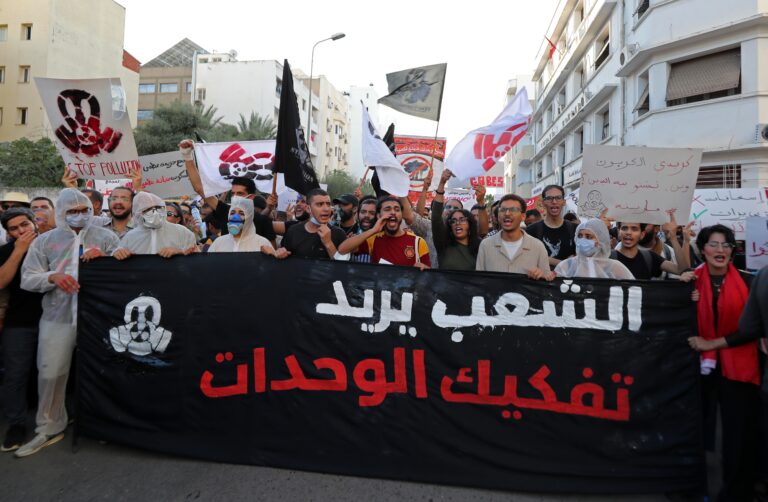
On 25 January 2011, Egypt’s National Police Day, massive protests took to the streets in response to calls by activists, widely supported by various movements and groups, and then later by the majority of the public. The unprecedented public mobilization that 2011 witnessed created the perfect opportunity for human rights advancement. In post-2011 Egypt, there was more public space than had ever existed during Mubarak’s three-decade rule for all stakeholders to engage freely: media, political parties, the judiciary, and human rights organizations, in the absence of the usually domineering state security apparatus. Human rights organizations were dealing with a vulnerable regime that was keen to appease, willing to listen, and open to reform and dialogue, regardless of how genuine its intentions were. In the aftermath of the 2013 military coup, which followed massive demonstrations against the Muslim Brothers-led government, some of the gains made by these organizations proved to be fragile, and within a few months a security state was back in full force. Despite a general agreement that the human rights conditions in Egypt quickly became far worse than during Mubarak’s years, there remains some elements of success that were reaped in the short “revolutionary” years from 2011 to 2013, and especially in the early months following Mubarak’s downfall.